Ford · Oct 8, 2026
Used Ford Engines: How to Choose the Right Replacement Engine
Need a used Ford engine? Learn how to verify fitment, engine condition, mileage, compatibility, warranty coverage, and installation before you buy.
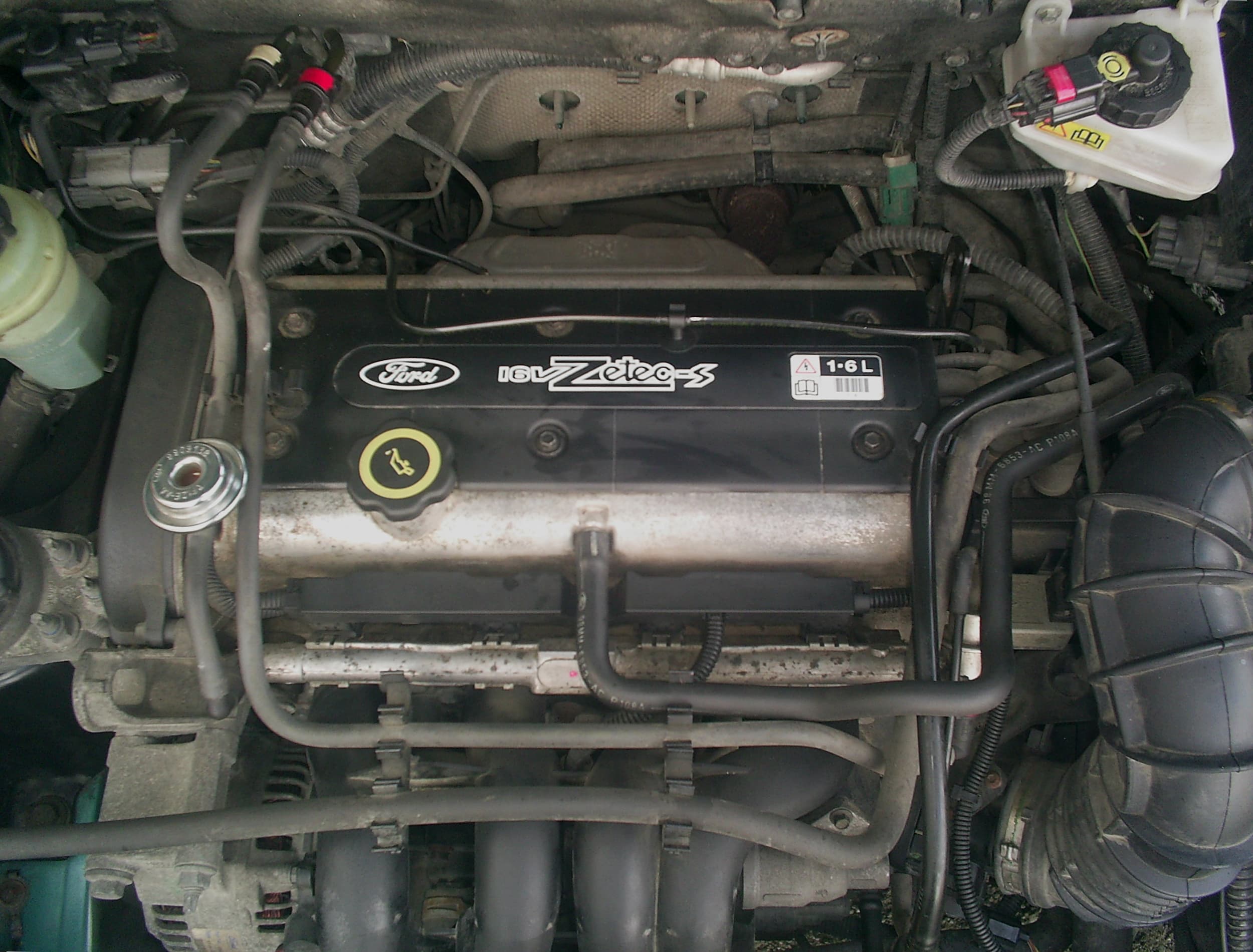
Finding a replacement engine for a Ford can feel more complicated than it should. There are plenty of engines listed by make, model, year, and displacement, but those details alone do not always tell you whether an engine is the correct match for your vehicle.
A good used Ford engine can be a practical way to get an older vehicle back on the road without paying for a brand-new replacement. The key is buying based on exact compatibility and documented condition, rather than simply choosing the cheapest engine you can find.
If you are comparing replacement options, start with iBid Auto's used engines for sale guide and use the Ford parts section to narrow your search by vehicle and part type.

Why Consider a Used Ford Engine?
Engine failure does not automatically mean the vehicle itself is finished. If the transmission, body, electrical system, suspension, and other major components are still in good condition, replacing the engine can make more financial sense than replacing the entire vehicle.
A used engine is typically sourced from a vehicle that has been dismantled for parts. Depending on the supplier and inventory source, the engine may have relatively low mileage compared with the vehicle receiving it. A quality used engine should also have its identification and compatibility information documented before it is sold.
For many Ford owners, the biggest advantage is cost. A used replacement engine can help reduce the upfront expense compared with purchasing a new crate engine or choosing a more extensive rebuild.
However, cheaper does not always mean better. An engine with unknown history, incorrect mileage information, missing components, or poor compatibility can turn a seemingly inexpensive purchase into an expensive installation problem.
What Ford Models Can Use a Used Replacement Engine?
Ford has produced a huge range of cars, trucks, SUVs, and vans over the years. That means there is no single "Ford engine" that fits every Ford vehicle.
Common Ford Engine Families at a Glance
| Engine family / size | Common Ford applications | Typical configuration |
|---|---|---|
| 2.0L EcoBoost | Escape, Edge, Fusion, Focus and other Ford models | 4-cylinder turbocharged |
| 2.3L EcoBoost | Mustang, Ranger, Explorer, Bronco and other Ford models | 4-cylinder turbocharged |
| 2.5L Duratec / Hybrid | Escape, Fusion and selected Ford applications | 4-cylinder gasoline or hybrid |
| 2.7L EcoBoost | F-150, Edge, Bronco and other Ford applications | V6 twin-turbocharged |
| 3.0L EcoBoost | Explorer and selected Ford performance applications | V6 twin-turbocharged |
| 3.5L EcoBoost | F-150, Expedition, Transit and other Ford applications | V6 twin-turbocharged |
| 5.0L Coyote V8 | Mustang and F-150 | V8 gasoline |
| 5.0L / 5.4L Modular V8 families | Mustang, F-Series and other older Ford applications | V8 gasoline |
Important: These are broad examples, not a fitment chart. Ford used different engine codes, calibrations, accessories, transmissions, emissions equipment, and configurations across model years. Always verify the exact year, VIN, engine code, and interchange information before ordering.
Depending on the vehicle, replacement engines may be available for models such as:
- Ford F-150
- Ford Mustang
- Ford Explorer
- Ford Escape
- Ford Edge
- Ford Fusion
- Ford Focus
- Ford Taurus
- Ford Ranger
- Ford Expedition
- Ford Transit
- Ford Bronco
- Ford EcoSport
- Ford Maverick
The same model can also use different engines depending on the model year, trim level, drivetrain, market, and production configuration. That is why checking only the vehicle name is not enough.
For broader Ford parts research, the Ford brand page is a useful starting point.
The Most Important Step: Verify Engine Compatibility
Before buying a used Ford engine, verify the exact engine configuration required for your vehicle.
The safest information to compare includes:
- Vehicle year
- Make and model
- Engine size
- Engine family or engine code
- Fuel type
- Cylinder configuration
- Transmission configuration
- Drive type where relevant
- VIN
- OEM or interchange number
- Emissions configuration where applicable
The VIN is particularly useful because it can help identify the vehicle's original configuration. If an engine listing provides an interchange or OEM number, compare that information with your vehicle and confirm it with the seller before ordering.
Do not assume that two Ford engines with the same displacement are automatically interchangeable. Two engines can share a 2.0L, 3.5L, or 5.0L designation and still differ in sensors, wiring, accessories, electronics, mounting points, intake and exhaust components, or calibration.
That small compatibility mistake can create a very large repair bill.
Used Ford Engine Mileage: What Should You Look For?
Mileage is one of the first things buyers look at, but it should not be the only factor.
A lower-mileage engine is generally attractive, but mileage needs context. An engine that has been properly maintained and removed from a well-documented vehicle can be a better purchase than an engine with lower advertised mileage but little history.
When comparing engines, ask:
- What is the documented mileage?
- What vehicle did the engine come from?
- Is the donor vehicle information available?
- Has the engine been inspected?
- Are there compression or other inspection results?
- Does the engine include the accessories shown in the listing?
- What warranty is included?
A professional seller should be able to provide useful information about the engine rather than simply saying that it "runs good."
What Condition Should a Used Ford Engine Be In?
A used engine does not need to look brand new to be a worthwhile replacement. Normal external wear, surface discoloration, and cosmetic marks are common on recycled engines.
What matters more is mechanical condition and compatibility.
Look for information about:
- Oil and coolant condition
- External leaks
- Cracks or obvious damage
- Compression or cylinder testing when available
- Timing components where applicable
- Intake and exhaust condition
- Sensor and connector condition
- Evidence of overheating
- Engine identification and matching numbers
Remember that a used engine is often sold as a replacement power unit, not necessarily as a complete installation-ready package. Accessories such as alternators, starters, air-conditioning compressors, wiring, sensors, intake components, exhaust parts, or engine mounts may need to be transferred from your original engine.
Confirm exactly what is included before purchasing.
Used vs. Remanufactured vs. Rebuilt Ford Engines
One of the most important buying decisions is understanding what kind of replacement engine you are actually purchasing.
Used engine
A used engine is generally an engine removed from another vehicle and sold for reuse. It can be a cost-effective option when the engine has suitable mileage, condition, and compatibility.
Rebuilt engine
A rebuilt engine has been disassembled and repaired using selected replacement components. The exact work performed can vary significantly between rebuilders, so buyers should ask what was replaced and what testing was performed.
Remanufactured engine
A remanufactured engine is typically rebuilt to a defined specification using a more comprehensive remanufacturing process. These engines can offer a different balance of cost, condition, and warranty compared with ordinary used engines.
For a deeper explanation, read iBid Auto's remanufactured engines buying guide.
The right choice depends on the vehicle's value, your budget, expected ownership period, and the condition of the rest of the vehicle.
Why a Warranty Matters When Buying a Used Ford Engine
A replacement engine is a major purchase, and installation itself can be expensive. That makes warranty coverage an important part of the buying decision.
A warranty can provide protection if the replacement engine develops a covered problem within the specified period or mileage.
Before ordering, read the warranty terms carefully. Check:
- Warranty duration
- Mileage limits
- Parts covered
- Labor coverage, if any
- Requirements for installation
- Required fluids and maintenance
- Return conditions
- What happens if the engine is incompatible
- Documentation required for a claim
Do not treat the word "warranty" as enough information. The actual terms matter.
You can also review iBid Auto's warranty policy before making a purchase.
How Much Does a Used Ford Engine Cost?
There is no single price for a used Ford engine. Cost can vary widely depending on the vehicle, engine family, model year, mileage, availability, demand, and whether the engine is sold as a long block, complete assembly, or another configuration.
A common mistake is comparing two listings solely by price.
Instead, compare the total value:
- Engine price
- Shipping cost
- Warranty
- Mileage
- Testing and inspection information
- Included components
- Return policy
- Compatibility confidence
A slightly more expensive engine with documented mileage and better warranty coverage may be a much better deal than the cheapest listing.
Questions to Ask Before Ordering
If you are speaking with a parts supplier, these questions can save you from an expensive mistake:
- Does this engine match my exact year, model, and engine configuration?
- What is the mileage?
- What vehicle did it come from?
- Has the engine been tested or inspected?
- What components are included?
- What components must be transferred from my original engine?
- What warranty is included?
- What are the warranty installation requirements?
- What is the expected shipping time?
- What is the return process if the engine does not match?
If you are not completely sure about fitment, provide the VIN and vehicle details and ask the supplier to verify the application before you place the order.
How to Make a Used Ford Engine Last
Installing a good replacement engine is only half the job. Proper installation and maintenance can have a major effect on its service life.
Before starting the replacement engine, your technician should inspect the related systems and replace maintenance items that are accessible while the engine is out.
Depending on the engine and vehicle, this may include:
- Engine oil and filter
- Coolant
- Spark plugs
- Belts
- Hoses
- Gaskets and seals
- Thermostat
- Timing components where recommended
- Sensors or damaged connectors
- Fluids required by the vehicle manufacturer
It is also worth investigating why the original engine failed. If overheating, low oil pressure, contamination, poor cooling, or another system problem caused the original failure, simply installing another engine without addressing the root cause can put the replacement at risk.
Common Mistakes to Avoid
Buying an engine is not the time to rush.
Avoid these common mistakes:
- Buying based only on the lowest price
- Ignoring the engine code
- Assuming the same displacement means compatibility
- Not checking the VIN
- Failing to confirm mileage
- Assuming every listed component is included
- Ignoring warranty conditions
- Forgetting shipping and installation costs
- Not investigating why the original engine failed
- Ordering before confirming fitment
A few minutes spent verifying the details can prevent days of unnecessary work.
Is a Used Ford Engine Worth Buying?
For the right vehicle and application, yes—a used Ford engine can be a sensible replacement solution.
The strongest candidates are vehicles that are otherwise in good condition, have a replacement engine available with verified compatibility, and have enough remaining value to justify the installation cost.
The decision becomes less attractive when the vehicle also needs major transmission, suspension, electrical, body, or structural repairs. In that situation, compare the complete repair cost with the vehicle's current market value before committing to an engine replacement.
If you are ready to look for a replacement, start with iBid Auto's Ford parts inventory or use the parts search to find the correct application.
Final Checklist Before You Buy
Before placing your order, make sure you can answer yes to these questions:
A used Ford engine can be an economical way to keep a dependable vehicle on the road, but the best purchase is not necessarily the cheapest one. Focus on verified compatibility, reasonable mileage, transparent condition information, warranty coverage, and a supplier that can answer your questions clearly.
When those pieces line up, a used replacement engine can deliver a practical second life for your Ford without the cost of replacing the entire vehicle.
For more help with replacement parts, visit the iBid Auto parts section, browse the Ford brand catalog, or request a parts quote.