Car Maintenance & Repair · Oct 8, 2026
Remanufactured Engine Buying Guide: What to Check Before You Buy
Learn how to buy a remanufactured engine, verify fitment, compare warranties, understand core charges, and avoid costly replacement mistakes.
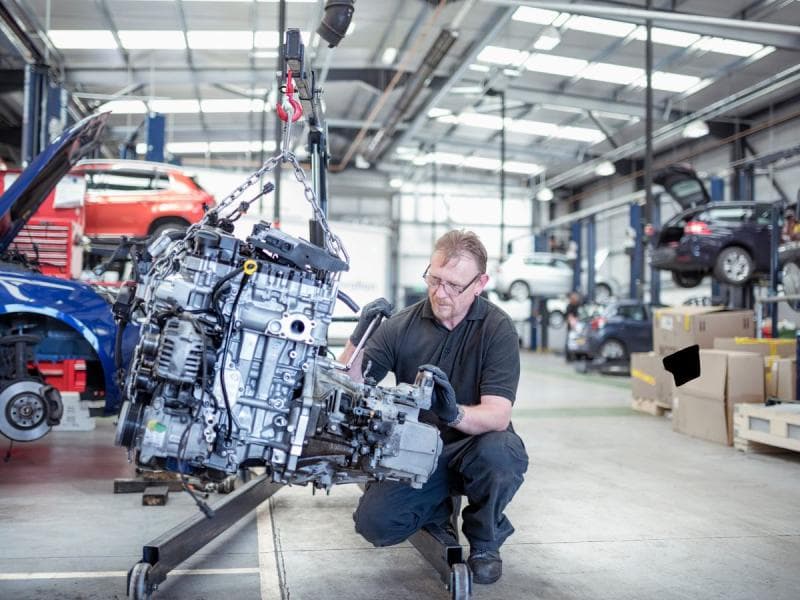
Buying a remanufactured engine is one of those decisions where the cheapest option can become the most expensive one if the fitment, build quality, warranty, or installation requirements are wrong. A good reman engine can be a practical middle ground between a used engine with unknown history and a brand-new replacement that may cost much more.
This guide walks through the questions a vehicle owner should ask before ordering a remanufactured engine, from identifying the correct engine to understanding what is included, checking the warranty, planning for the core return, and preparing for installation.

What is a remanufactured engine?
A remanufactured engine is an engine that has been disassembled, inspected, cleaned, machined or reconditioned as needed, and rebuilt to a defined specification. The important point is that “remanufactured” should describe a controlled process rather than simply an engine that has been repaired or cleaned up.
The exact process varies by manufacturer, but a quality reman program commonly includes inspection of the block and cylinder heads, measurement of critical clearances, replacement of worn internal components, machining where required, new gaskets and seals, and testing before the engine is shipped.
That is different from buying a used engine that was removed from another vehicle. A used engine may still be a good solution for some vehicles, but its previous mileage, maintenance history, and internal wear can be harder to verify.
It is also different from a basic rebuild. The words “rebuilt” and “remanufactured” are sometimes used interchangeably in the market, so buyers should look beyond the label and ask exactly what the supplier does to the engine.
Why choose a remanufactured engine?
For many drivers, the decision comes down to balancing vehicle value, reliability, availability, and total replacement cost.
A remanufactured engine may make sense when the vehicle is otherwise in good condition and the owner wants to keep it for several more years. It can also be useful when a used replacement is difficult to source or when the owner wants more documented work than a typical used engine provides.
Potential advantages include:
- A standardized rebuilding process
- Replacement of selected wear components
- Inspection and machining of major engine components
- Testing before shipment, depending on the supplier
- A written warranty
- Better availability for some older or hard-to-find applications
- The opportunity to address known weaknesses during the remanufacturing process
The key is to compare the actual build specification and warranty rather than assuming every reman engine is built the same way.
Remanufactured vs. used vs. rebuilt vs. new
Before buying, understand what you are comparing.
Used engine: A previously installed engine removed from another vehicle. Price is often attractive, but mileage and internal condition may be less certain.
Rebuilt engine: An engine that has been repaired or rebuilt, with the amount of machining and replacement parts depending on the rebuilder and the condition of the core.
Remanufactured engine: Usually built through a more defined remanufacturing process, with inspection, machining, replacement components, and testing according to the supplier's specifications.
New crate engine: A newly manufactured engine with new components. It can be an excellent option, but availability and cost can make it impractical for many everyday replacement applications.
The best choice depends on the vehicle, budget, intended ownership period, and availability of the exact engine.
Step 1: Start with the VIN, not just the year and model
One of the biggest mistakes buyers make is ordering an engine using only the year, make, model, and engine size.
Those details are useful, but they may not be enough.
A single vehicle model can have multiple engine codes, emissions configurations, production changes, fuel systems, transmission combinations, or mid-year revisions. Two engines can have the same displacement and still not be interchangeable without additional parts or modifications.
Before placing an order, collect:
- The 17-digit VIN
- Year
- Make
- Model
- Trim
- Engine size
- Engine code, if available
- Drivetrain
- Transmission type
- Emissions configuration when applicable
- Any information from the original engine label or casting number
If the supplier offers VIN-based fitment verification, use it. It is much easier to correct a fitment issue before the engine ships than after the vehicle is already apart.
You can also use the iBid Auto VIN Decoder to help organize vehicle information before requesting a replacement.
Step 2: Find out exactly what you are buying
“Engine” does not always mean a complete drop-in assembly.
You may be offered a short block, long block, or more complete engine package.
Short block
A short block generally centers on the engine block and lower-end rotating assembly. The exact contents vary, so always check the written specification.
Long block
A long block generally includes the block, crankshaft, pistons, cylinder heads, and major internal components, but accessories and external components may not be included.
Complete or dressed engine
A more complete assembly may include additional components such as an oil pan, valve covers, timing components, intake or exhaust components, sensors, or accessories. However, there is no universal definition of “complete,” so the supplier's parts list is what matters.
Before buying, ask for an itemized list of what is included and what must be transferred from the old engine.
Step 3: Ask what internal parts are new
This is one of the most important questions in the entire buying process.
A remanufacturer may reuse components that pass inspection while replacing parts considered worn or unsuitable. That is normal in a remanufacturing operation, but you should understand the specification.
Ask whether the build includes new:
- Pistons
- Piston rings
- Main bearings
- Rod bearings
- Cam bearings
- Timing chain, belt, guides, or tensioners where applicable
- Oil pump
- Gaskets
- Seals
- Valve-train components where applicable
Also ask which components are inspected and reused.
You do not necessarily need every component to be brand new for an engine to be properly remanufactured. What matters is that the supplier can explain the process and stand behind the finished assembly.

Step 4: Ask how the block and cylinder heads are inspected
A professional remanufacturing process should go beyond cleaning and repainting.
Ask whether the engine block and cylinder heads are:
- Cleaned and inspected
- Checked for cracks
- Pressure tested where appropriate
- Measured for wear
- Resurfaced when required
- Bored or honed when required
- Checked for proper alignment
- Inspected for damaged threads and mounting surfaces
Machining tolerances matter because an engine is a collection of components that must work together within very specific clearances.
A supplier should be able to explain its inspection and machining process in plain language.
Step 5: Check whether known engine problems are addressed
Some engine families have known failure points. Depending on the application, these can involve timing components, oiling systems, cylinder-head components, cooling systems, valve-train parts, or other areas.
Ask the supplier whether known technical updates or design improvements are incorporated into the build.
This does not mean every remanufacturer will modify an engine beyond its original specification. It means you should understand whether the supplier simply restores the original configuration or makes documented improvements where appropriate.
Step 6: Understand the warranty before you buy
A warranty is only useful if you understand what it actually covers.
Do not stop at a headline such as “3-year warranty” or “5-year warranty.” Read the terms.
Check:
- Warranty length
- Mileage limitation, if any
- Parts coverage
- Labor coverage
- Whether diagnostics are covered
- Who handles warranty claims
- Whether an approved installer is required
- Required maintenance records
- Break-in requirements
- Oil and coolant requirements
- Whether towing or other consequential expenses are excluded
- What happens if the replacement engine fails
Two engines with similar prices can have very different ownership costs once warranty terms are considered.
If you are comparing options, write the warranty terms beside the price. That makes the difference much easier to see.
Step 7: Do not forget the core charge
Many remanufactured engines use a core-return system.
The “core” is generally the customer's old engine that can potentially be returned to the remanufacturer for evaluation and future rebuilding.
A supplier may charge a refundable core deposit or include core-related charges in the transaction. The exact policy varies.
Before ordering, ask:
- Is there a core charge?
- How much is it?
- Is it refundable?
- What condition must the old engine be in?
- Does it need to be the same engine type?
- How many days do you have to return it?
- Who pays return freight?
- Does missing or damaged equipment reduce the credit?
Core policies can have important exceptions. For example, some suppliers require a like-for-like core and may reduce the credit if the block is cracked, parts are missing, or the core has been disassembled.
Get the core requirements in writing before installation.
Step 8: Calculate the real installed cost
The engine price is only one part of the replacement.
Your actual project cost can include:
- Engine purchase
- Shipping or freight
- Core deposit
- Core return freight
- Installation labor
- Fluids
- Filters
- Spark plugs or glow plugs
- Belts
- Hoses
- Thermostat
- Water pump
- Front and rear seals when appropriate
- Engine mounts
- Sensors
- Gaskets
- Cooling-system service
- Diagnostic work
- Programming or relearning procedures
- Additional parts discovered during installation
A lower-priced engine can become the more expensive choice if it has a weaker warranty, higher freight charges, or requires additional components that another package already includes.
For a replacement-engine comparison, consider the total installed cost, not just the advertised engine price.
Step 9: Ask how the engine is tested
Testing is another area where suppliers can differ.
Ask what happens after assembly.
Depending on the engine and manufacturer, testing may include checks related to oil pressure, compression, leaks, sealing, or other operating characteristics.
The important question is simple:
“What testing is performed before this engine is shipped?”
A supplier that can clearly explain its testing process gives you more information than a listing that simply says “tested.”
Step 10: Plan the installation correctly
Even a properly remanufactured engine can have problems if the installation is rushed.
The original engine failure may have been caused by another component. If that cause is not corrected, the replacement engine can be exposed to the same problem.
For example, depending on the failure, the installer may need to inspect the cooling system, oil system, fuel system, turbocharger, intake system, electrical components, or other related parts.
Before installation, ask the repair shop to identify why the original engine failed and whether any related component needs to be repaired or replaced.
The installer should also follow the engine supplier's installation and break-in requirements.

What should you replace during an engine installation?
There is no single list that applies to every vehicle, but an engine replacement is often the right time to inspect wear items that are difficult to access once the engine is installed.
Depending on the vehicle and engine, discuss these items with the installer:
- Engine oil and filter
- Coolant
- Spark plugs or glow plugs
- Belts
- Hoses
- Thermostat
- Water pump
- Engine mounts
- Seals
- Gaskets
- Timing components
- PCV components
- Sensors
- Turbocharger condition
- Radiator and cooling-system condition
Do not automatically replace everything. Have the shop evaluate the condition and follow the remanufacturer's installation requirements.
How to compare two reman engine suppliers
When you have two or three quotes, avoid making the decision based on price alone.
Create a simple comparison:
Factor | Supplier A | Supplier B | Supplier C |
|---|---|---|---|
Exact engine code | Confirmed | Confirmed | Confirmed |
VIN verification | Yes/No | Yes/No | Yes/No |
Long block or complete |
|
|
|
New internal components |
|
|
|
Machining process |
|
|
|
Testing |
|
|
|
Warranty |
|
|
|
Labor coverage |
|
|
|
Core charge |
|
|
|
Shipping |
|
|
|
Estimated installed cost |
|
|
|
Availability |
|
|
|
This turns a confusing purchase into a side-by-side decision.
Red flags when buying a remanufactured engine
Be careful if a seller cannot clearly answer basic questions about the engine.
Watch for:
- No clear engine identification
- No VIN or fitment verification
- Vague descriptions such as “fits many models”
- No written list of included components
- Warranty terms that are difficult to find
- Pressure to pay before confirming fitment
- Unclear core-return requirements
- No explanation of the remanufacturing process
- Extremely low pricing without an explanation
- No clear company information or customer support process
A professional seller should be comfortable answering detailed questions. You are not being difficult by asking them; you are protecting yourself from an expensive fitment or warranty problem.
Questions to ask before placing your order
If you want a quick checklist, ask the seller these questions:
- What is the exact engine code?
- Will you verify the engine against my VIN?
- Is this a short block, long block, or complete engine?
- What components are new?
- What components are inspected and reused?
- What machining is performed?
- Is the engine pressure tested or otherwise tested before shipment?
- Are known design or technical updates included?
- What exactly does the warranty cover?
- Is labor covered?
- Are there mileage limits?
- Is there a core charge?
- What condition must my old engine be in for full core credit?
- How long do I have to return the core?
- What does shipping include?
- What additional parts should I plan for during installation?
If the answers are clear and documented, you are in a much stronger position to make the purchase.
When is a remanufactured engine a good choice?
A reman engine can be a strong option when the rest of the vehicle is worth keeping.
Consider the vehicle's age, body condition, transmission condition, maintenance history, mileage, and expected future use. If the vehicle has a healthy transmission, good suspension, a solid body, and a history you are comfortable with, replacing the engine may be more sensible than replacing the entire vehicle.
On the other hand, if the vehicle has multiple major problems, a high total repair cost, or significant structural damage, an engine replacement may not be the best financial decision.
The right question is not simply, “How much is the engine?”
It is:
“How much will it cost to put this vehicle back on the road reliably, and how long do I expect to keep it?”
Buying a remanufactured engine online
Buying online can give you access to more engine options, but it also puts more responsibility on the buyer to verify the details.
Before ordering online, make sure the listing provides enough information to identify the engine and understand the package.
Use iBid Auto's Search Parts tools to start your research, and if you already know your vehicle details, you can Get a Parts Quote and provide the VIN so the replacement can be evaluated against the actual vehicle.
Keep copies of the quote, invoice, warranty, installation requirements, and core instructions. These documents can become important if there is a question later.
Final remanufactured engine buying checklist
Before you pay, make sure you can answer “yes” to most of these questions:
- I have the correct 17-digit VIN.
- The exact engine application has been confirmed.
- I know whether I am buying a short block, long block, or complete assembly.
- I have a written list of included components.
- I understand which internal parts are new.
- I know what machining and inspection are performed.
- I understand the testing process.
- I have read the warranty terms.
- I understand labor coverage and exclusions.
- I know the core charge and return requirements.
- I have calculated shipping and the total installed cost.
- My installer knows the manufacturer's installation requirements.
- The cause of the original engine failure has been investigated.
- I have a plan for the break-in and maintenance period.
Frequently asked questions
Is a remanufactured engine better than a used engine?
Not automatically, but a remanufactured engine can offer a more controlled rebuild process and a more comprehensive warranty than many used-engine options. The right choice depends on the supplier, vehicle, price, warranty, and condition of the available engines.
How long does a remanufactured engine last?
There is no single mileage figure that applies to every remanufactured engine. Service life depends on the quality of the build, installation, maintenance, driving conditions, and the specific engine design.
Does a remanufactured engine come with accessories?
Sometimes, but not always. Accessories such as alternators, starters, compressors, turbochargers, intake components, sensors, and fuel-system parts may need to be transferred from the original engine or purchased separately. Always check the written inclusion list.
Do I need my VIN to buy a reman engine?
You may be able to receive an initial quote without it, but VIN verification is strongly recommended before placing the final order. It can help identify engine-code, emissions, transmission, and production differences.
What is a core charge?
A core charge is a refundable or potentially refundable amount associated with returning the old engine to the supplier. The exact amount and conditions vary by supplier, and the returned core usually has to meet specific requirements.
Should a mechanic install a remanufactured engine?
Professional installation is generally the safer choice, especially because the installer needs to identify the cause of the original failure, follow installation procedures, and complete any required fluid, programming, or break-in steps.
Is a remanufactured engine worth it on an older vehicle?
It can be, particularly when the rest of the vehicle is in good condition and you plan to keep it. Compare the total repair cost with the vehicle's current value, expected future repairs, and how long you want to own it.
The bottom line
Buying a remanufactured engine should not be a race to find the lowest advertised price. The better approach is to verify the exact application, understand what you are receiving, compare the remanufacturing process, read the warranty, account for the core and freight costs, and make sure the installation is done correctly.
A good replacement engine is more than a box arriving at your shop. It is a combination of correct fitment, documented specifications, quality control, warranty support, and proper installation.
If you are looking for a replacement engine, start with the vehicle's VIN and engine information, compare your options carefully, and ask questions before placing the order. That small amount of research can save a great deal of time, money, and frustration later.