Car Maintenance & Repair · Oct 23, 2026
P0234 Overboost: Wastegate, Actuator or Failed Turbocharger?
P0234 does not automatically mean a failed turbo. Diagnose sensors, hoses, control valves, wastegate or vane operation before replacement.
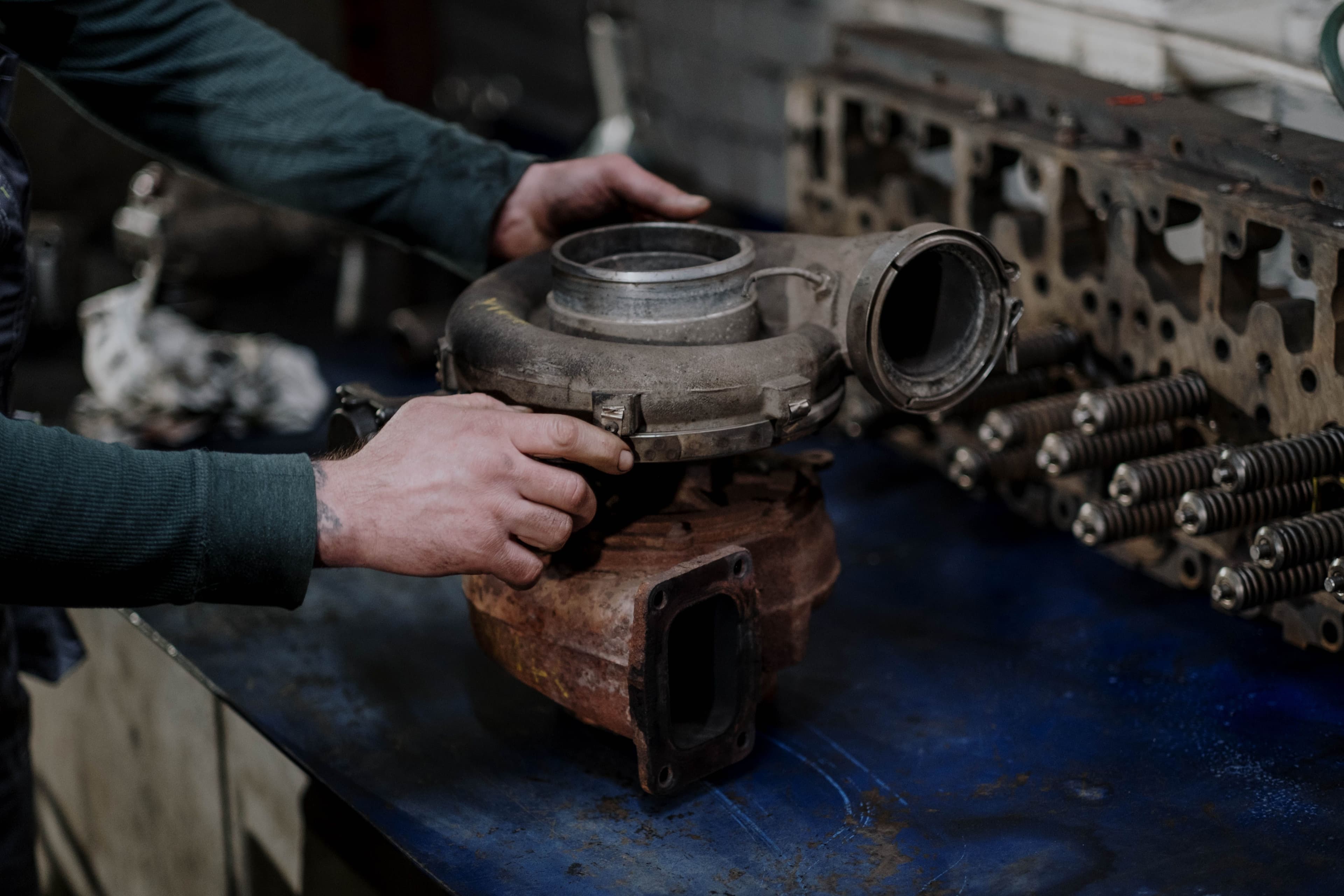
A P0234 overboost code means the engine controller detected boost pressure above its expected limit under monitored conditions. It does not prove the turbocharger itself has failed. The cause may be an incorrect pressure signal, a restricted or misrouted control hose, a sticking boost-control valve, a wastegate or variable-vane mechanism that cannot open as commanded, actuator calibration, software, or an application-specific environmental condition. Diagnose the control system before ordering a turbo.
Why overboost needs prompt diagnosis
Excess boost can trigger a warning light, reduced-power mode, abrupt power loss or unusual acceleration. The controller may limit torque to protect the engine and emissions system. Avoid repeated full-load testing or hard acceleration until the cause is known. If the vehicle surges, smokes heavily, makes abnormal turbo noise, overheats or displays a stop-driving warning, stop and arrange an inspection.
P0234 describes a monitored result, not a specific broken component. The threshold, test conditions and protective response vary by engine and calibration.
If the measured pressure is too low rather than too high, follow the separate turbo underboost diagnosis guide. Underboost and overboost can share control components, but the diagnostic direction is different.
Preserve codes and operating data
Do not clear the code or disconnect the battery before saving diagnostic evidence. Request a complete scan of all relevant modules and record current, pending and history codes.
Useful data includes:
- Freeze-frame or failure-record information
- Commanded and measured boost or manifold pressure
- Barometric pressure with the engine off and running
- Wastegate or variable-vane command and position, when available
- Engine speed, load, throttle position and airflow
- Intake-air, coolant and charge-air temperatures
- Boost-control-solenoid command
- Related sensor, actuator, airflow, exhaust-pressure or emissions codes
- Recent ambient temperature and altitude
- Whether the fault appeared during acceleration, towing, hills or steady cruising
A code that appears alone may follow a different path from P0234 stored with a position-sensor or electrical-circuit code. Manufacturer service information for the exact engine should set the test conditions and pass/fail values.
Verify the pressure reading before blaming the turbo
A controller can report overboost when the engine truly produces too much pressure or when the pressure signal is wrong. Compare manifold or charge-pressure data with barometric pressure under the conditions specified by the manufacturer. An implausible reading before boost is produced points toward a sensor, port, hose, reference voltage, ground, connector or wiring issue.
Inspect the sensing path for:
- Oil, water, ice or debris at the pressure-sensor port
- A blocked or damaged reference hose where fitted
- Loose pins, corrosion or harness damage
- Incorrect sensor installation
- Shared power, ground or reference-voltage faults
- Software or calibration updates applicable to the full VIN
Do not clean a sensor with chemicals or compressed air unless the manufacturer permits it. Sensitive elements can be damaged by an improvised cleaning method.
An Audi bulletin for specified 2009–2012 A4, A5 and Q5 vehicles with the CAEB engine provides a narrow example: P0234 with no other codes could be set inadvertently by the software application, and the bulletin directs a software update. It also warns that P0234 can have a real boost-control cause when accompanied by power loss or uneven performance. That remedy does not apply outside its listed vehicles, but it demonstrates why code, symptoms and calibration must be checked together.
Inspect hoses, routing and the boost-control valve
Pneumatic wastegate systems may use boost pressure, vacuum, a control solenoid and multiple hoses. A pinched, blocked, split, disconnected or incorrectly routed hose can prevent the wastegate from receiving the signal needed to limit turbine speed.
Check the factory routing diagram rather than copying another vehicle. Confirm:
- Each hose reaches the correct port
- Hoses are not kinked, softened, heat-damaged or internally restricted
- Check valves and reservoirs are installed in the correct direction
- Vacuum supply or pressure source meets specification
- The boost-control solenoid receives the correct command
- Solenoid ports flow or seal as specified
- Electrical resistance, current and circuit integrity pass the prescribed tests
Replacing a turbo will not correct a reversed hose or failed control valve.
Cold-weather conditions can also matter on particular applications. General Motors bulletin 18-NA-069 covers specified 2016–2022 Chevrolet Malibu vehicles with the 1.5-liter LFV engine in extreme cold. It explains that charge-air-cooler icing and frozen oil or water contamination in the wastegate regulator solenoid can be associated with P0234. The procedure includes confirming the conditions and servicing the relevant system; it does not recommend treating every P0234 as a failed turbo.
Wastegate, actuator and variable-vane faults
A wastegate limits boost by allowing some exhaust gas to bypass the turbine. A variable-geometry turbo changes vane position to control turbine energy. Either system may use a vacuum, pressure or electronic actuator.
Overboost becomes possible when the system cannot reduce turbine energy as commanded. Causes may include:
- A wastegate flap or linkage stuck closed
- Carbon, corrosion or physical interference
- A seized or restricted variable-vane mechanism
- A failed control solenoid or vacuum supply
- Damaged actuator wiring or connector
- Incorrect actuator position feedback
- A disconnected or misadjusted linkage
- Missing initialization or calibration after service
- An actuator or turbo assembly that does not match the application
Compare commanded and actual actuator position where the vehicle reports both. Follow the manufacturer’s movement test and safety instructions. Do not force an electronic actuator, shorten a rod or adjust a factory stop screw to “lower boost.” Incorrect adjustment can create a new control problem or damage the engine and turbo.
A Hyundai bulletin for specific turbocharged Sonata, Santa Fe and Veloster N applications illustrates the value of component-level diagnosis. It provides procedures for evaluating the electric wastegate actuator and allows targeted actuator service based on inspection results. It does not mean every electric actuator is separately replaceable or interchangeable; some turbos are supplied as calibrated assemblies.
When the turbocharger itself may need replacement
A complete turbo becomes a stronger candidate when testing confirms that the boost-control hardware inside the unit cannot move or regulate correctly and the failed portion is not serviceable separately. Replacement may also be supported by direct physical damage such as:
- Cracked or damaged turbine or compressor housing
- Compressor- or turbine-wheel damage
- Foreign-object impact
- Housing contact or seizure
- Shaft condition outside the maker’s specification
- Failed integral wastegate or variable-geometry hardware
- Heat damage affecting the calibrated assembly
- Actuator failure where the service strategy requires a matched turbo and actuator
Do not judge a turbo solely by a hand “wiggle test.” Some journal-bearing units can have limited radial movement without oil pressure, while contact, binding or excess axial movement may be significant. Use the correct measurement and specification.
Also identify why the failure occurred. Oil starvation, contaminated oil, crankcase-pressure problems, foreign debris, exhaust restriction or incorrect prior installation can damage a replacement if left unresolved.
Control repair, actuator service or complete turbo?
Choose the smallest repair that fully addresses the verified fault:
- Correct a false pressure signal, wiring issue or applicable software problem.
- Repair a proven hose-routing, vacuum-supply or boost-control-solenoid fault.
- Service or replace a separately supported actuator after confirming the turbo mechanism moves correctly.
- Replace the complete calibrated turbo assembly when the internal control mechanism, housing, rotating group or non-serviceable actuator is damaged.
- Correct the root cause and complete any required initialization or relearn before returning the vehicle to service.
Ask the shop to provide the exact code list, desired-versus-actual boost data, actuator test result and applicable service procedure.
Used-turbocharger fitment checklist
A turbo that looks similar may have different housings, wheel specifications, actuator electronics, calibration or connections. Start with the full vehicle identification number using the VIN decoder, then confirm the original turbo label and manufacturer part numbers.
Before ordering, verify:
- Full 17-character VIN and production date
- Engine displacement, code and output variant
- Single-, twin- or sequential-turbo arrangement
- Left, right, primary or secondary position where applicable
- Original equipment and supplier part numbers
- Compressor inlet, outlet and charge-pipe connections
- Exhaust manifold, turbine outlet and catalyst connections
- Wastegate or variable-vane design
- Actuator part number, connector and calibration requirements
- Oil and coolant line configuration
- Sensors, brackets, heat shields and hardware included
- Required gaskets, seals, banjo bolts and one-time-use fasteners
- Oil-feed, oil-drain, intake and charge-system cleaning or inspection steps
- Programming, initialization or actuator-learn procedure
When diagnosis supports replacement, include the VIN, engine code, turbo label photos and failed-part findings with the turbocharger quote request.
Frequently asked questions
Does P0234 always mean the wastegate is stuck?
No. A stuck wastegate is one possibility, but sensor error, wiring, hoses, a control solenoid, variable vanes, actuator calibration, software or environmental conditions can also cause the code.
Can a boost leak cause overboost?
A simple leak more commonly contributes to low measured boost, but system response and sensor placement vary. Diagnose commanded and measured pressure, control response and the entire air path rather than assuming from one symptom.
Can I adjust the wastegate rod to fix P0234?
Do not make an unapproved adjustment. Rod length and stop settings can be calibrated. Follow the service procedure for the exact turbo and actuator.
Can a used actuator be installed on another turbo?
Only when manufacturer information and documented interchange permit it. Electronic actuators may require matching, setup or calibration, and some are serviced only with the complete turbo assembly.
Bottom line
P0234 is an overboost result, not an automatic turbocharger verdict. Verify the pressure signal, inspect the hoses and control valve, compare commanded and actual actuator operation, and check application-specific software or environmental guidance. Buy a replacement turbo only when testing confirms that the required control or mechanical component belongs to the assembly being replaced.