Car Maintenance & Repair · Oct 12, 2026
Buying a Used Turbocharger: Part Numbers, Fitment and Failure Checks
Before buying a used turbocharger, confirm its part number, inspect its condition, and identify the cause of the original failure.
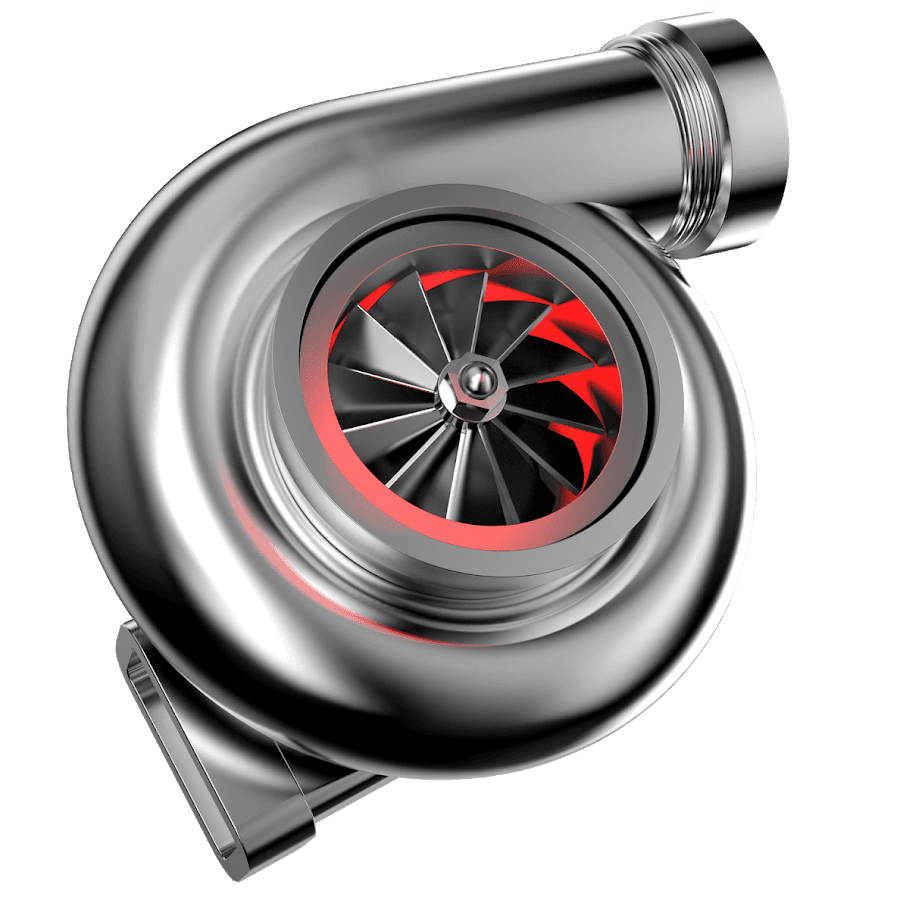
A used turbocharger should be chosen by verified application and part number, with documented condition and a plan to correct the fault that damaged the original unit. A similar-looking housing or matching vehicle badge is not enough to approve a replacement.
Before paying, ask your repair shop to confirm three things: which assembly fits, why the old turbo failed, and what the replacement quote includes. This guide is a purchasing checklist, rather than a vehicle-specific installation procedure.
Start with the diagnosis, not the shopping cart
Reduced power, unusual noise and smoke can prompt a turbo replacement request. They do not establish that the turbo itself is the source of the problem. Garrett Motion’s turbo diagnostics guidance recommends investigating the surrounding engine systems before replacement.
Have the shop explain what it found in the intake plumbing, exhaust system and lubrication circuit. Ask whether the original unit is damaged and whether the underlying cause has been identified. Buying another turbo without resolving that cause can leave the repair unfinished.
A useful question for the technician is: “What needs correcting before a replacement turbo goes on?” The answer should inform both the parts order and the labor estimate.
Match the full identification, including the suffix
Photograph the identification plate or engraved markings on the original turbo. Record the complete number, including characters after a dash. Garrett’s turbo identification guide explains that its nameplates can carry an OE/customer part number, a Garrett number, a model designation and a serial number. Its numbering conventions are manufacturer-specific; do not apply them to every turbo brand.
Send the seller the VIN, vehicle details, engine identification and the original turbo number together. The iBid VIN decoder can help collect vehicle information, but a VIN decode alone should not be treated as approval for a particular assembly.
If the offered part has a different number, request a documented interchange or supersession explanation. Let the installer check it before you authorize shipment. Avoid assuming that a shared engine displacement or similar catalog photo proves compatibility.
Ask what the used assembly actually includes
“Turbocharger” on a quote does not explain every component included in the shipment. Ask for a written description and photos of the actual unit, rather than relying solely on an illustrative product image.
Use this checklist:
- Confirm the complete part number and the vehicle application the seller has approved.
- Ask whether the actuator is included and how its condition was checked.
- Request clear photos of the housings, accessible wheels, connections and identification markings.
- Ask what inspection or test results are available for that specific assembly.
- Confirm whether fittings, gaskets, lines or other installation items must be purchased separately.
- Ask the installer whether the supplied assembly needs application-specific setup.
Do not substitute a casual hand check for the manufacturer’s inspection limits. Ask what criteria were used and who will assess the unit before installation.
Compare the complete repair quote
A low purchase price can be difficult to compare when the scope differs. Separate the replacement assembly, shipping, installation supplies, diagnostic work and labor on the estimate. Ask who pays return freight if a fitment issue is discovered before installation.
Review the current iBid warranty policy, then request the terms applicable to the quoted unit in writing. Check the duration, exclusions, claim procedure and any installation documentation requirements. Do not assume coverage includes removal labor, replacement labor or incidental expenses.
Keep the quote, photos, correspondence and shop invoice together. They provide a clear record of what was ordered and what work was authorized.
Plan installation before the part arrives
Garrett’s installation guidance emphasizes correct part identification, clean connections and following vehicle or engine manufacturer instructions. It also warns against changing turbo settings or calibration.
Ask your installer to determine the required oil, filters, gaskets and line work for your application. A general article cannot supply the correct torque values or setup procedure for every engine. Agree on these requirements before delivery so the shop can inspect the assembly and plan the job.
Questions buyers often ask
Is a matching model name enough to order a turbo?
No. Supply the VIN, engine identification and complete original part number, then obtain application confirmation before ordering.
Does a used turbo include its actuator?
Only if the seller’s quote specifies it. Ask for the included components and their condition in writing.
Will replacing the turbo fix a low-power complaint?
Only if diagnosis establishes that replacement is needed and associated faults are addressed. Low power alone does not identify the failed component.
What should I send when requesting a quote?
Send your vehicle details, VIN, original turbo identification, shop diagnosis and delivery location. You can request a parts quote from iBid with that information and ask for fitment, included components and applicable terms to be confirmed before payment.