Car Maintenance & Repair · Oct 13, 2026
Replacing an Engine After Overheating: How to Prevent a Repeat Failure
Replacing an overheated engine? Use this checklist to identify the original cause and prepare the cooling, oil, intake, and control systems.
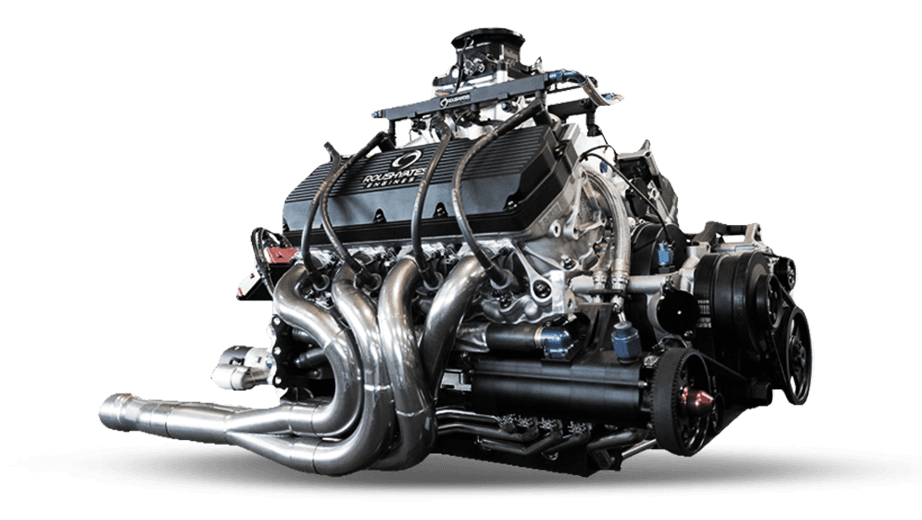
A replacement engine should not be installed until the cause of the original overheating is understood. A used engine may fit correctly and still fail again if a restricted radiator, faulty fan, leaking hose, contaminated cooler, incorrect coolant, or unresolved control fault remains in the vehicle.
Diagnose the overheating before ordering
“Overheated” describes an outcome, not a diagnosis. Ask the repair shop to identify the evidence and the most likely initiating fault. Useful questions include:
- Did the engine lose coolant, and where was the leak?
- Did the radiator fan operate when commanded?
- Was coolant circulation restricted?
- Did the thermostat, water pump, drive belt, or tensioner fail?
- Was the radiator externally blocked or internally restricted?
- Did combustion gas enter the cooling system?
- Was engine oil or transmission fluid found in the coolant?
- Did an oil cooler, EGR cooler, turbocharger cooling circuit, or heater circuit contribute?
- Were diagnostic trouble codes or freeze-frame data recorded before disassembly?
Preserve scan data, fluid observations, and photographs before the old engine is removed. That information can guide both the replacement choice and the installation plan.
Verify the replacement engine separately
The failure diagnosis does not replace fitment verification. Start with the full 17-character VIN; the VIN decoder can organize basic vehicle information. Then match the original engine code, displacement, fuel type, induction system, emissions configuration, production date, sensors, mounts, and required accessories.
Ask for current photos of the actual used engine, its identification marks, donor information when available, recorded mileage, and the seller’s stated test method. A clean exterior or matching displacement does not establish interchange.
Before requesting a quote, determine whether the supplier is offering a long block or a more complete used assembly. Get a written inclusion list for the intake, exhaust manifolds, turbocharger or supercharger, injectors, fuel rail, ignition parts, sensors, wiring, starter, alternator, air-conditioning compressor, flywheel or flexplate, and engine control module.
Inspect the entire cooling system
An overheating-related engine replacement is also a cooling-system repair. The installer should follow the vehicle manufacturer’s procedure for testing, cleaning, filling, and bleeding the exact application.
The inspection may include:
- Radiator condition and flow
- Cooling fan, relays, wiring, control module, and fan command
- Water pump, thermostat, belt, tensioner, and pulleys
- Pressure cap and expansion or degas bottle
- Upper and lower radiator hoses
- Heater core and heater hoses
- Oil cooler and transmission cooler interfaces
- Coolant temperature sensor and related wiring
- Auxiliary cooling circuits used by a turbocharger, hybrid system, or other equipment
- Signs of oil, fuel, sealant, rust, scale, or combustion contamination
Ford service procedures for specific diesel applications illustrate the principle: their cooling-system contamination bulletins require technicians to identify and repair the contamination source before completing the prescribed flush. The exact chemicals and steps in those bulletins apply only to the listed vehicles; they should not be copied to an unrelated engine.
Use only the coolant specification and cleaning method required by the manufacturer. A universal flush, water-only refill, or unapproved additive can be wrong for the application.
Decide what must be cleaned or replaced
Not every component can be restored safely after severe contamination or heat exposure. The repair decision depends on the failure mode and the manufacturer’s service limits.
Ask the installer to document whether the following will be reused, tested, cleaned, or replaced:
- Radiator and heater core
- Oil cooler and cooler lines
- Thermostat and pressure cap
- Water pump and drive components
- Rubber hoses, plastic fittings, and quick connectors
- Temperature sensors and damaged wiring
- Intake manifold and charge-air plumbing
- Turbocharger oil and coolant lines, when equipped
- Exhaust components affected by coolant or oil
- Fluids, filters, seals, gaskets, and one-time-use fasteners
If the old engine released metal into the lubrication system, shared oil-cooling components deserve particular attention. If oil, fuel, or sealing products entered the cooling system, residual contamination must be handled according to the applicable service procedure.
Do not transfer the original failure to the used engine
Accessories are often moved from the failed engine to the replacement. Inspect them before transfer. A seized accessory, damaged pulley, restricted intake, leaking injector, failing turbocharger, contaminated manifold, or defective sensor can create a new problem or repeat the old one.
Clean mating surfaces and ports without allowing debris into the replacement. Keep protective caps in place until each connection is ready. Confirm that the engine turns as specified by the supplier or installer before installation, and compare its mounts, covers, sensors, connectors, and flexplate or flywheel arrangement with the original.
Plan fluids, programming, and first start
Prepare the correct oil, filter, coolant, and any other specified fluids before work begins. Follow the manufacturer’s filling and bleeding sequence; trapped air can prevent normal circulation and create misleading temperature behavior.
Some vehicles require programming, module setup, crankshaft or camshaft relearn procedures, throttle adaptation, or other scan-tool functions after engine replacement. These steps vary by vehicle. Confirm them from current service information rather than assuming the replacement will be ready after the first start.
Before sustained operation, verify oil pressure and check for fuel, oil, coolant, vacuum, and exhaust leaks. Monitor coolant temperature and fan operation with appropriate service data. Stop the test if pressure, temperature, noise, or leakage is abnormal.
Overheated-engine replacement checklist
Before approving the repair, confirm:
- The initiating cause of overheating is documented.
- The replacement engine application is matched by VIN, engine code, and physical configuration.
- Included and excluded components are listed in writing.
- The radiator, fan system, pump, thermostat, cap, hoses, and coolers have a documented plan.
- Contaminated systems will be cleaned or replaced using the correct procedure.
- Transferred accessories have been inspected.
- Correct fluids, filters, seals, and installation parts are ready.
- Required programming and relearn procedures are known.
- Initial oil-pressure, leak, temperature, and fan-operation checks are planned.
- The installer has reviewed the supplier’s requirements and the written warranty policy.
Once the diagnosis and fitment details are complete, include them in the parts quote request. Clear information about the original failure can help define the correct engine package and the parts needed around it.
Frequently asked questions
Is replacing the thermostat enough after an engine overheats?
Not automatically. A thermostat may be the cause, a consequence, or unrelated. The complete cooling system and available diagnostic evidence should be evaluated before deciding the repair scope.
Should the radiator always be replaced with the engine?
There is no universal rule. The decision depends on its condition, flow, contamination, damage, manufacturer procedure, and whether it can be properly tested or cleaned.
Can an overheated engine’s accessories be reused?
Some may be reusable after inspection; others may have caused the failure or been damaged by heat or contamination. Verify each transferred part instead of treating all attached components as safe.
Why does the cooling system need attention if the used engine tested well?
The replacement engine’s condition does not correct faults that remain in the vehicle. A restricted, leaking, contaminated, or incorrectly controlled cooling system can overheat another engine.