Car Maintenance & Repair · Oct 12, 2026
Buying a Used Driveshaft: Length, End Connections and Fitment Checklist
Before buying a used driveshaft, verify its position, construction, end connections, identification and measurement method with your installer.
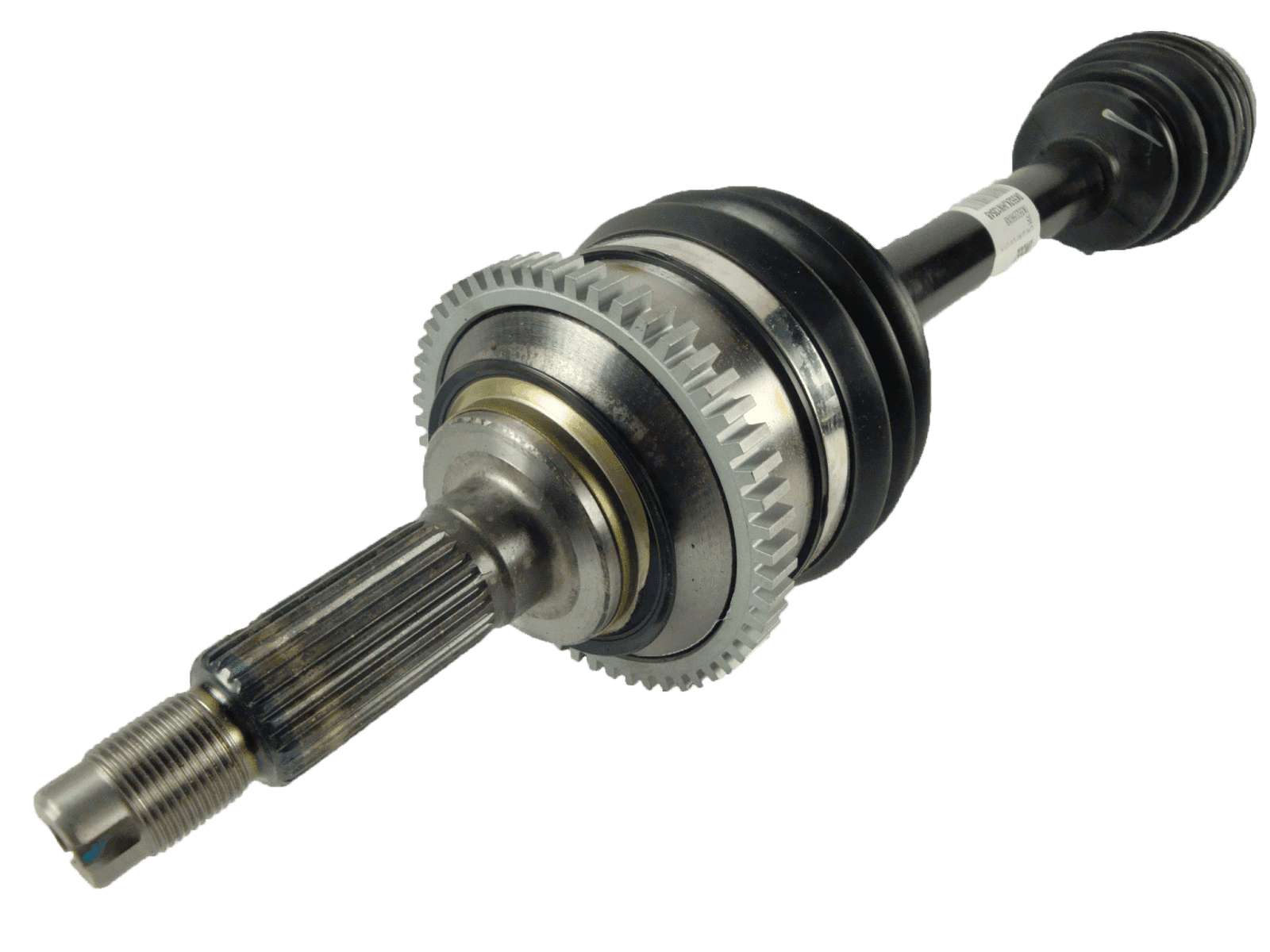
A used driveshaft should be matched by its exact position, construction, end connections, identification and dimensions—not simply by vehicle model. Before ordering, have the installer confirm which shaft is needed, how it should be measured and which attached components must be included.
This matters because vehicles can use front, rear or multiple driveshaft sections, and visually similar assemblies can differ in length, flange pattern, yoke style, joint design or support-bearing location.
Start by naming the shaft correctly
Ask the repair shop to describe the requested assembly in writing. “Driveshaft” may not be specific enough on a vehicle with four-wheel drive, all-wheel drive or a multi-piece driveline.
The request should identify:
- Front, rear or intermediate position
- One-piece or multi-piece construction
- Transmission, transfer case or axle connection at each end
- Wheelbase, cab and bed configuration when relevant
- Two-wheel drive, four-wheel drive or all-wheel drive
- Any center support bearing, flexible coupling, CV joint or universal joint required
- The original assembly number, if readable
Do not infer the position from a seller’s photo. Ask for a photo of the actual unit and have the installer compare it with the original.
Use identification before measurement
Look for a tag, label, etched number or stamped marking on the original shaft. Photograph the entire marking, including prefixes and suffixes, and send it with the vehicle information.
Dana’s Spicer parts-identification resource shows why part identity can extend beyond basic dimensions: its system provides driveshaft part numbers, parts lists, bulletins and information about end yokes and other components. The specific lookup method depends on the manufacturer and application.
The iBid VIN decoder can help organize vehicle details, but the VIN should be combined with the original shaft identification and configuration. A catalog match based only on year, make and model may overlook wheelbase or driveline variations.
If the offered number differs, request a documented interchange or supersession and obtain the installer’s approval before shipment.
Agree on the measurement method
A length without reference points is incomplete. One person may measure the tube; another may measure flange face to flange face or joint center to joint center. Slip movement can also change the apparent length.
Dana’s catalog provides a concrete example: a Spicer driveshaft assembly record lists multiple dimensions, including installed and collapsed lengths and measurements to yoke or flange reference points. That does not supply specifications for your vehicle; it demonstrates why the measurement definition must accompany the number.
Ask the seller and installer to use the same reference points. Have the shop take the measurement with the vehicle and driveline positioned according to the applicable service procedure. Do not crawl beneath an unsupported vehicle to measure it yourself.
Compare the end connections and joints
Length alone cannot confirm fitment. Photograph both ends of the original shaft and compare:
- Flange or yoke design
- Bolt count and bolt-circle pattern
- Pilot shape and diameter
- Slip-yoke or fixed-flange arrangement
- Universal-joint or CV-joint style
- Center support bearing location and bracket
- Any flexible coupling, damper or sensor feature
Even universal joints require specific identification. Spicer’s U-joint measurement guide separates several retention and yoke styles and recommends precise measurement tools. Let the installer identify the joint rather than assuming that all joints of similar size interchange.
Ask whether the quoted shaft includes the joints, flange, yoke, support bearing and bracket shown in the photos. Listing images do not define the shipped contents unless the seller confirms them.
Ask what was inspected
A used shaft should be evaluated as the actual assembly being sold. Request its donor information when available, plus condition photos and a description of the inspection performed.
Useful questions include:
- Is the tube visibly dented, bent, creased or deeply corroded?
- Are balance weights present and secure?
- Are the splines and sealing surfaces protected?
- What is known about the joints and center support bearing?
- Are flange faces and bolt holes damaged?
- Was the shaft altered, shortened or repaired?
- How will it be supported and protected during shipping?
Do not turn a visual check into a claim about balance or runout. Ask what was actually measured or tested, and let the installer inspect the unit again before installation.
Compare the full delivered cost
Separate the shaft price from freight, packaging, joints, support bearing, fasteners and installation labor. Long components require careful shipping protection, so clarify the delivery method and damage-reporting process.
Review the current iBid shipping policy and obtain the terms for the proposed shipment in writing. Inspect the packaging and component promptly on arrival, document visible damage and follow the stated reporting process.
When you request an iBid parts quote, include the VIN, shaft position, drivetrain, wheelbase or body configuration, original identification, agreed measurements, end-connection photos and delivery ZIP code.
Quick answers for driveshaft buyers
Is the VIN enough to identify a driveshaft?
It is an important starting point, but configuration, original identification, position and physical details may also be needed.
Can two shafts with the same length interchange?
Not necessarily. End connections, joint series, support-bearing location, tube design and other features can differ.
Does a used driveshaft include universal joints?
Only if the seller states that they are included. Their condition and serviceability should also be clarified.
What is the safest measurement to send?
Use the method and reference points specified by the installer or applicable service information. Label the reference points in photos so the seller interprets the dimension correctly.