Car Maintenance & Repair · Oct 12, 2026
Buying a Used Differential: Gear Ratio, Axle ID and Fitment Checklist
Before buying a used differential, confirm axle location, identification, gear ratio, differential type and exactly what the assembly includes.
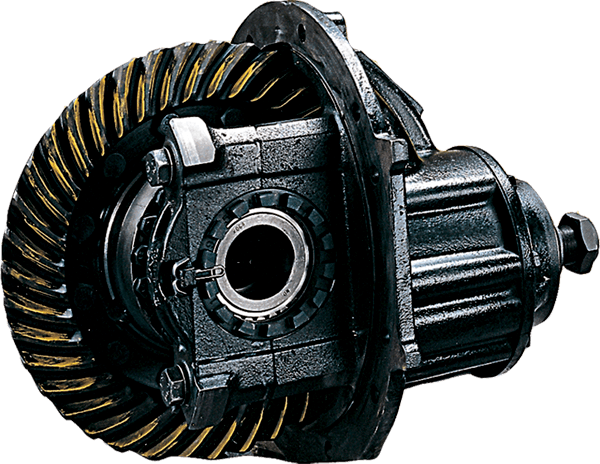
A used differential should be ordered by the vehicle’s exact axle configuration, not by year, make and model alone. Before approving a unit, confirm whether it is for the front or rear, record the axle identification, verify the gear ratio and differential type, and define exactly what the seller is shipping.
This checklist helps buyers collect the information a seller and installer need. It does not replace diagnosis or a vehicle-specific service procedure.
First, define which assembly needs replacement
“Differential” can refer to internal gearing, a carrier, or a larger assembly with a housing and related components. The correct description depends on the vehicle and repair plan.
Ask the shop to identify:
- Front or rear location
- The complete assembly or internal component requested
- Two-wheel drive, four-wheel drive or all-wheel drive configuration
- Open, limited-slip, locking or electronically controlled design, where applicable
- Any attached components that will be reused
- The axle or carrier identification found on the original unit
Request that description in writing. It gives the seller a clearer target and makes competing quotes easier to compare.
Why the axle identification matters
Vehicle badges do not show every driveline variation. Axle identification may appear on a tag, label, stamping or casting, depending on the manufacturer and assembly.
Dana’s official Spicer axle identification guidance provides a useful manufacturer-specific example: certain Spicer carrier-type axles use a Bill of Material number, model marking and gear-ratio tag, while limited-slip applications may carry a lubricant tag. Those locations and formats are not universal, so use the procedure for the original axle in your vehicle.
Photograph every readable tag and marking before the old unit is removed or returned as a core. Include wide photos showing the full housing and close-ups that preserve spaces, dashes and suffixes.
The iBid VIN decoder can help collect vehicle information, but a VIN decode should be combined with axle identification and installer confirmation before ordering.
Confirm the gear ratio rather than assuming it
The differential’s ring-and-pinion ratio affects the relationship between driveshaft rotation and axle rotation. Dana’s gear-ratio calculator explanation describes the ratio as the ring-gear tooth count divided by the pinion tooth count.
Buyers normally should not disassemble a unit simply to calculate this. Ask the shop to obtain the applicable ratio from reliable vehicle data and the original assembly identification. Have the seller state the offered unit’s ratio in writing.
On a vehicle with driven front and rear axles, do not authorize a substitute ratio without approval from a qualified technician. The replacement must suit the vehicle’s complete driveline configuration, not merely fit its mounting points.
Check the differential type and controls
Gear ratio is only one part of the specification. Determine whether the vehicle uses an open, limited-slip, locking or electronically controlled differential. Ask whether the proposed assembly includes any actuator, motor, sensor, wiring stub or module shown in the photos.
Do not assume an attached component is included because it appears on a catalog image. Likewise, do not assume the installer wants every attached component from the donor assembly.
If the offered part number or axle code differs from the original, request a documented interchange or supersession and have the shop approve it before shipment.
Ask what was inspected on the actual unit
A useful used-part quote describes the specific unit, rather than only the product category. Ask for the donor information available to the seller, photos of the actual assembly and a written description of its condition.
Questions worth asking include:
- Are the housing and mounting points visibly damaged?
- Are the input and output areas protected for shipment?
- What inspection or functional information is available?
- Is fluid present, drained or excluded for shipping?
- Which attached parts are included?
- Is a core return required?
- How will the assembly be packaged and delivered?
Avoid converting a visual inspection into a promise about internal condition. Ask the seller to state what was actually checked.
Compare the complete delivered and installed cost
The parts price is only one line in the repair. Clarify freight, residential or commercial delivery, liftgate needs, core handling, seals, lubricant, shop supplies and labor before comparing options.
Review the current iBid warranty policy and obtain the terms for the quoted unit in writing. Confirm the coverage period, exclusions, claim documentation and whether labor or other expenses are excluded. The quote—not an assumption—should control the purchase decision.
When you request an iBid parts quote, send the VIN, axle location, original identification, confirmed ratio, differential type, shop diagnosis and delivery ZIP code. Attach photos of the original markings if available.
Quick answers for differential buyers
Can I buy a differential using only the VIN?
The VIN is useful, but axle identification and the original configuration should also be verified when available. Ask the installer to approve the proposed assembly.
Is a carrier the same as a complete axle assembly?
Not necessarily. Parts terminology and included components vary. Get a written description of what the seller will ship.
Does the same housing guarantee the same gear ratio?
No. Similar external appearance does not establish the internal ratio or differential type.
What is the most important information to put on the quote?
Include front or rear location, axle identification, confirmed gear ratio, differential type, included components and delivery details.