Car Maintenance & Repair · Oct 16, 2026
Is That Shudder the Transmission? What to Diagnose Before Buying
Learn how to separate torque-converter shudder from misfire and driveline vibration before buying a replacement automatic transmission.
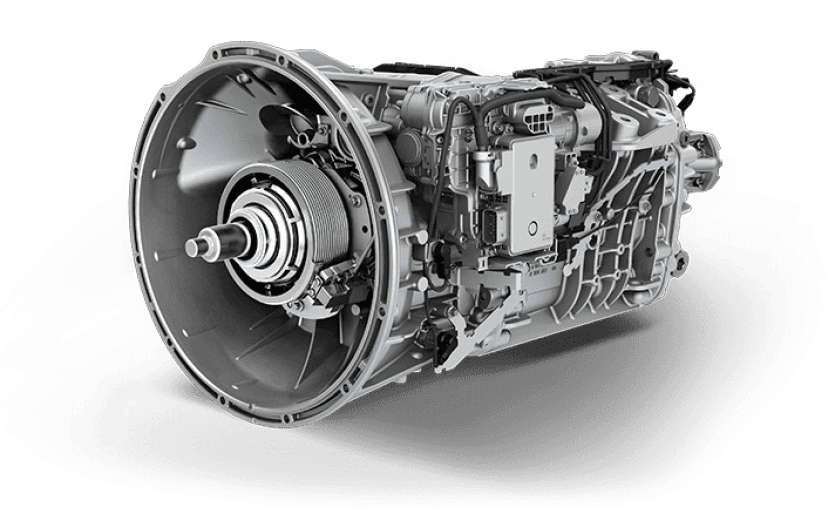
A shudder does not automatically mean the entire automatic transmission has failed. Before buying a replacement, document exactly when the vibration occurs and have a qualified technician compare engine, torque-converter clutch, transmission, tire, axle, and driveline data. The pattern—and whether it changes when the torque-converter clutch is commanded on or off—can prevent an expensive wrong diagnosis.
What transmission shudder usually feels like
Drivers often describe shudder as a brief rumble-strip sensation, a repeated vibration, or a surge under light throttle. It may appear at a steady road speed, during converter-clutch apply, while accelerating, or only after the powertrain is warm.
Those details matter. A vibration that follows engine load is not the same diagnostic clue as one tied to vehicle speed. A harsh shift is also different from a vibration that occurs while the transmission is holding one gear. Record the speed, engine rpm, selected gear, throttle position, temperature, road grade, and whether the condition appears during a shift or steady cruising.
Why a road test comes before a replacement quote
The first useful question is not “Which transmission fits?” It is “Which system is creating the symptom?” An engine misfire can feel like a driveline shudder. So can an out-of-balance tire, damaged wheel, worn axle joint, driveshaft problem, loose mount, or abnormal converter-clutch operation.
A professional road test should reproduce the complaint safely and consistently. During that test, the technician can review engine misfire counters, transmission trouble codes, commanded gear, input and output speeds, converter-clutch command, and converter slip data when the vehicle supports those parameters.
Manufacturer service bulletins for certain applications illustrate this diagnostic principle. Some direct technicians to compare the vibration with the torque-converter clutch operating normally, released, and fully applied. If the vibration remains when clutch behavior changes, the procedure points away from torque-converter clutch shudder and toward broader vibration diagnosis. That logic is application-specific, so it should not be copied blindly to a different vehicle.
Four common sources that can imitate each other
1. Engine misfire or uneven torque
A weak ignition coil, worn spark plug, fuel-delivery problem, air leak, or mechanical engine fault may become most noticeable under light load. Scan data can reveal misfire activity even when the malfunction indicator is not continuously illuminated. Diagnose engine performance before condemning the transmission.
2. Torque-converter clutch shudder
The torque-converter clutch can apply during steady driving to reduce slip. On some vehicles, unstable clutch slip may create a repeating vibration. Confirmation normally requires the exact manufacturer test routine and appropriate scan data. A symptom description alone cannot identify the converter or prove the rest of the transmission is damaged.
3. Tires, wheels, axles, and driveshafts
A vehicle-speed-related vibration may originate outside the transmission. Inspect tire condition and pressure, wheel damage, axle shafts, constant-velocity joints, universal joints, driveshafts, support bearings, and related fasteners as applicable. A vibration that changes mainly with road speed deserves a chassis and driveline inspection.
4. Mounts or other mechanical contact
Collapsed engine or transmission mounts can transmit normal powertrain movement into the body. Exhaust or shield contact may also create a vibration in a narrow load or rpm range. These faults can make a mild powertrain disturbance feel much worse inside the cabin.
Do not treat a fluid service as a universal cure
Some OEM bulletins prescribe a specific fluid exchange for narrowly defined vehicles, transmissions, build dates, and symptoms. Others require further diagnosis, inspection for debris, programming, adaptive learning, or component replacement. That does not make a generic flush or additive the correct response for every shudder.
Use only the specified fluid and the manufacturer’s fill, level, temperature, and service procedure for the exact application. Mixing fluids, using an unapproved additive, or applying one bulletin to an unrelated vehicle can complicate diagnosis. If the pan contains abnormal metal or friction material, pause and follow the OEM inspection path before approving more work.
Evidence to collect before buying a used transmission
Ask the diagnosing shop for a written summary rather than relying on “it needs a transmission.” Useful evidence includes:
- All powertrain diagnostic trouble codes, including pending and history codes
- The driving conditions that reproduce the complaint
- Whether the symptom follows engine rpm, vehicle speed, gear changes, or converter-clutch operation
- Misfire-counter results during the event
- Relevant input-speed, output-speed, commanded-gear, and converter-slip data
- Fluid level and condition checked by the correct procedure
- Results of tire, wheel, axle, driveshaft, and mount inspections
- Any applicable manufacturer bulletin or service-manual test
- Evidence of internal debris, pressure loss, ratio errors, or clutch damage
- The technician’s conclusion and the evidence supporting it
A confirmed internal fault, persistent ratio error, significant debris, loss of hydraulic pressure, or documented clutch damage can support replacement. A vibration with no completed isolation test does not.
If replacement is justified, verify the unit precisely
Once diagnosis supports replacement, use the full 17-character VIN as a starting point—but not as the only identifier. The original transmission’s label, stamped code, part number, drive layout, engine, production date, connectors, output arrangement, and control requirements may also affect interchange.
Review the automatic-transmission fitment checklist before ordering. You can use the VIN decoder to confirm basic vehicle identity, then compare the original unit’s codes and physical configuration with verified interchange information.
Also establish what the assembly includes. A listing may or may not include the torque converter, valve body, control module, sensors, harness, mounts, or transfer-case connection hardware. Programming, initialization, solenoid data entry, and adaptive learning are vehicle-specific. The installer should identify those requirements before the replacement ships.
Buyer checklist for a diagnosed replacement
Before requesting a quote, have these details ready:
- Full VIN and vehicle production information
- Year, make, model, engine, and drive type
- Original transmission code, label, and part number
- Clear photos of the identification tag, connectors, case, pan, and output area
- Written diagnosis and all stored fault codes
- Whether the torque converter is required
- Required programming, initialization, and relearn steps
- Fluid, filter, cooler, and cooler-line service plan
- Delivery location and unloading capability
- Written installation, return, and documentation requirements
When those facts are assembled, request a used automatic transmission quote using the confirmed identifiers rather than the symptom alone.
Frequently asked questions
Can torque-converter shudder mean the whole transmission is bad?
Not necessarily. The converter clutch, fluid condition, control strategy, valve body, or internal transmission condition may be involved, depending on the application. Follow the manufacturer’s diagnostic sequence before deciding whether the converter, another component, or the complete assembly requires replacement.
Can an engine misfire feel like transmission shudder?
Yes. Under load, uneven engine torque can feel similar to a converter or driveline vibration. Misfire data, engine diagnostics, and a controlled road test help separate the causes.
Should I buy a transmission based only on a trouble code?
No. A code identifies a circuit, operating condition, or detected fault; it does not always identify the failed part. Confirm wiring, fluid level, control inputs, mechanical condition, and the manufacturer’s diagnostic procedure.
Is a used transmission the right choice after shudder is confirmed?
It can be one option when diagnosis shows the existing assembly needs replacement, but fitment and installation requirements must be verified first. Compare the correct used, rebuilt, or remanufactured options for the vehicle, budget, repair scope, and supplier terms.
Diagnose the event, then match the part
A careful diagnosis separates the symptom from the component. Reproduce the shudder, capture the right data, inspect the engine and driveline, and apply the exact OEM procedure. If replacement is then justified, match the transmission by verified identifiers and configuration—not by year, model, appearance, or a vibration description alone.