Car Maintenance & Repair · Oct 21, 2026
Timing-Chain Rattle or P0016: Repair the Timing System or Replace the Engine?
Diagnose cold-start timing-chain rattle and cam/crank correlation codes before approving a timing repair or replacement engine.
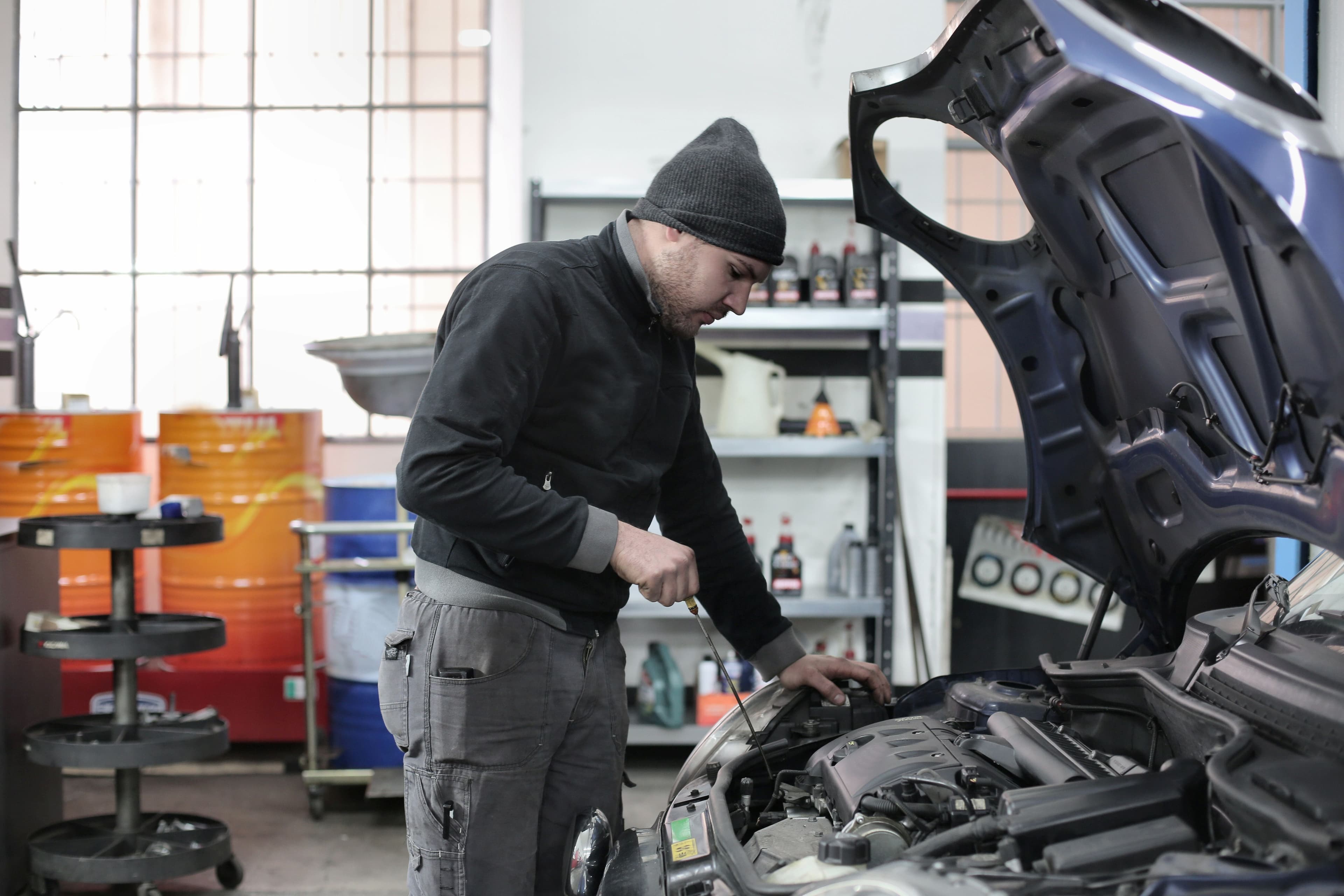
A brief rattle at cold start or a camshaft/crankshaft correlation code does not automatically mean the complete engine has failed. Depending on the exact engine, the cause may involve oil level or pressure, a filter drain-back issue, a chain tensioner, guide, variable-valve-timing actuator, control solenoid, sensor, wiring, calibration, or worn timing components. Preserve the cold-start symptom and follow the manufacturer’s diagnostic path before approving a timing repair or replacement engine.
The noise pattern is part of the diagnosis
Timing-drive complaints often depend on temperature and how long the vehicle has been parked. Record the first start of the day before anyone warms or moves the vehicle.
Useful details include:
- How many hours the engine sat before startup
- Whether the sound lasts a fraction of a second, several seconds, or continues
- Oil and coolant temperature
- Oil level, viscosity, specification, filter part number, and service history
- Whether the noise also occurs warm or after a short stop
- Whether engine speed, load, or deceleration changes it
- Warning lights, messages, and all stored or pending codes
- Misfire, power loss, stalling, extended cranking, or a no-start condition
- Recent engine, oil-system, cylinder-head, or timing work
A clear recording of the cold start can be valuable because the symptom may disappear before the vehicle reaches a shop. Include the instrument panel and avoid placing hands, clothing, or a phone near belts, fans, or other moving parts.
Similar rattles can require very different repairs
Manufacturer bulletins show why the exact application matters.
Honda Service Bulletin 16-088 covers specified 2015–2016 Fit vehicles that may rattle for about two seconds after a six-to-eight-hour cold soak. Its identified repair is the variable valve timing control actuator, and Honda states that the complete cam-chain assembly does not need to be removed for that procedure.
Kia Bulletin ENG 148 addresses certain 2014–2016 Cadenza and 2014–2015 Sorento 3.3L GDI vehicles within defined production ranges. It directs an improved timing-chain tensioner and, on applicable Sorento vehicles, confirmation or replacement of the intake CVVT component.
Mercedes-Benz service information LI05.10-P-056435 describes startup rattle on specific M157, M276, and M278 engine-number ranges. The document attributes that defined condition to secondary-chain tensioners before oil pressure builds and specifies tensioners and/or oil-supply check valves according to engine number.
These are examples, not universal instructions. The same driver description can lead to an actuator, tensioner, check valve, complete timing set, electrical repair, oil-system diagnosis, or no applicable bulletin at all.
Correlation codes do not name the failed part
Codes such as P0016, P0017, P0018, or P0019 describe a detected relationship problem between crankshaft and camshaft signals on supported vehicles. They do not prove by themselves that a chain has stretched or jumped.
Possible diagnostic directions include:
- Incorrect base mechanical timing
- Chain, belt, guide, tensioner, sprocket, or phaser wear
- Variable-valve-timing solenoid or oil-control problem
- Low, aerated, contaminated, or incorrect engine oil
- Inadequate oil pressure or restricted oil passage
- Camshaft or crankshaft position sensor concern
- Reluctor, tone wheel, or trigger-wheel damage or movement
- Wiring, connector, ground, or reference-voltage fault
- Control-module calibration or learned-value issue
- Previous repair assembled out of time
General Motors has also published application-specific information showing that correlation codes can accompany concerns outside a simple timing-chain diagnosis, including wiring faults or coolant-contaminated oil on defined engines. Scan data and the vehicle-specific service procedure must determine the next step.
Verify the oil system before opening the timing cover
Many chain tensioners and variable-timing devices depend on pressurized engine oil. Begin with the basics:
- Confirm the oil level on level ground by the owner-manual procedure.
- Verify the oil grade and specification from the correct service information.
- Confirm the installed filter is correct for the application.
- Inspect for sludge, aeration, fuel dilution, coolant contamination, or metal.
- Review whether the symptom began after an oil or filter change.
- Measure oil pressure under the specified temperature and engine-speed conditions when required.
- Check relevant oil-control solenoids, screens, passages, and electrical circuits as directed.
A dashboard warning or scan-tool pressure value may not substitute for a mechanical pressure test when the diagnostic procedure requires one. If measured pressure is low, use the low oil-pressure diagnostic guide to separate a sensor or circuit fault from pump, pickup, bearing, or internal engine problems.
Do not keep restarting an engine to reproduce a severe metal-on-metal rattle when oil pressure is low, the timing has shifted, or internal contact is suspected. Further operation can increase damage.
What a credible timing diagnosis should include
The technician should explain which evidence supports the recommended repair. Depending on the application, that may include:
- Complete code and freeze-frame report before clearing
- Commanded versus actual camshaft-angle data
- Cam and crank signal comparison with appropriate test equipment
- Oil pressure and oil-condition findings
- Confirmation of current software or calibration
- Sensor, actuator, solenoid, wiring, and connector tests
- Inspection of accessible tensioner travel or timing marks
- Borescope inspection when valve-to-piston contact is possible
- Compression or cylinder-leakage testing
- Oil-filter or pan inspection for debris
- Visual inspection after the timing cover is opened
A scan waveform that shows incorrect correlation can confirm the condition without identifying why it exists. Mechanical inspection may still be required to distinguish a worn chain from a damaged phaser, slipped reluctor, failed tensioner, incorrect assembly, or oil-control problem.
For a broader process to separate timing noise from accessory, flexplate, exhaust, valvetrain, and lower-end sounds, review the engine-knock diagnostic guide.
Timing repair or complete engine replacement?
A component-level timing repair is more plausible when diagnosis isolates the timing drive, actuator, solenoid, sensor, or oil-control component and the engine otherwise passes the required checks. The repair plan should include all application-specific one-time fasteners, seals, guides, tensioners, updated parts, fluids, cleaning steps, timing tools, and initialization procedures.
Complete-engine replacement becomes more relevant when the timing failure has caused valve-to-piston contact, low compression across affected cylinders, damaged pistons or cylinder heads, widespread metal contamination, loss of oil pressure from broader internal wear, or damage that the installer determines is uneconomical or impractical to repair.
Ask for measured results and photos. “Rattle plus a correlation code” is a symptom set, not proof that an entire engine must be replaced.
Buyer and fitment checklist for a replacement engine
If testing confirms that a complete engine is the correct repair, gather:
- Full 17-character VIN
- Year, make, model, trim, engine size, fuel type, and aspiration
- Original engine code, label, stamping, and part number
- Production date or engine-number range when applicable
- Front-, rear-, or all-wheel-drive configuration where it affects installation
- Emissions specification and sensor configuration
- Included intake, exhaust, turbo, wiring, fuel, and accessory components
- Whether the timing cover, phasers, actuators, tensioners, and sensors are included
- Cause of failure and contamination-control plan
- Installer’s list of transferred components and required new parts
- Required programming, relearn, and initialization
- Written approval of the proposed interchange
The replacement should match the verified engine configuration, not merely displacement or vehicle model. When the diagnosis and identification are complete, attach them to the engine quote request.
Frequently asked questions
Is a one-second startup rattle always normal?
No. Some manufacturers document a defined brief noise for specific engines, while others prescribe an actuator, tensioner, check-valve, or timing repair. Match the symptom, VIN, engine code, production range, and current service information.
Does P0016 always mean the timing chain is stretched?
No. P0016 indicates a crankshaft/camshaft relationship problem on vehicles that use that definition. Mechanical timing, sensors, reluctors, oil control, wiring, calibration, and prior repair can all require evaluation.
Can the wrong oil filter cause startup rattle?
An incorrect filter or drain-back behavior can affect how quickly oil pressure reaches components on some engines, but it should not be assumed to be the cause. Verify the specified filter and follow the OEM diagnostic process.
Should all chains, guides, and tensioners be replaced together?
The required parts depend on the engine design, inspection results, and manufacturer procedure. A targeted actuator repair may be correct on one application, while another requires a complete timing set and updated components.
Preserve the cold start, then test the system
The most useful evidence may exist for only a few seconds after an overnight soak. Record the sound, save the codes, verify oil level and pressure, compare commanded and actual cam timing, and inspect the components identified by the exact OEM procedure. Repair the isolated timing or control fault when practical; consider a replacement engine only when testing shows damage beyond that repair.