Car Maintenance & Repair · Oct 23, 2026
Soft Brake Pedal After ABS Unit Replacement: Air or a Bad HCU?
A soft pedal after ABS-unit work may mean trapped air, a leak or an incomplete scan-tool bleed—not necessarily a failed replacement HCU.
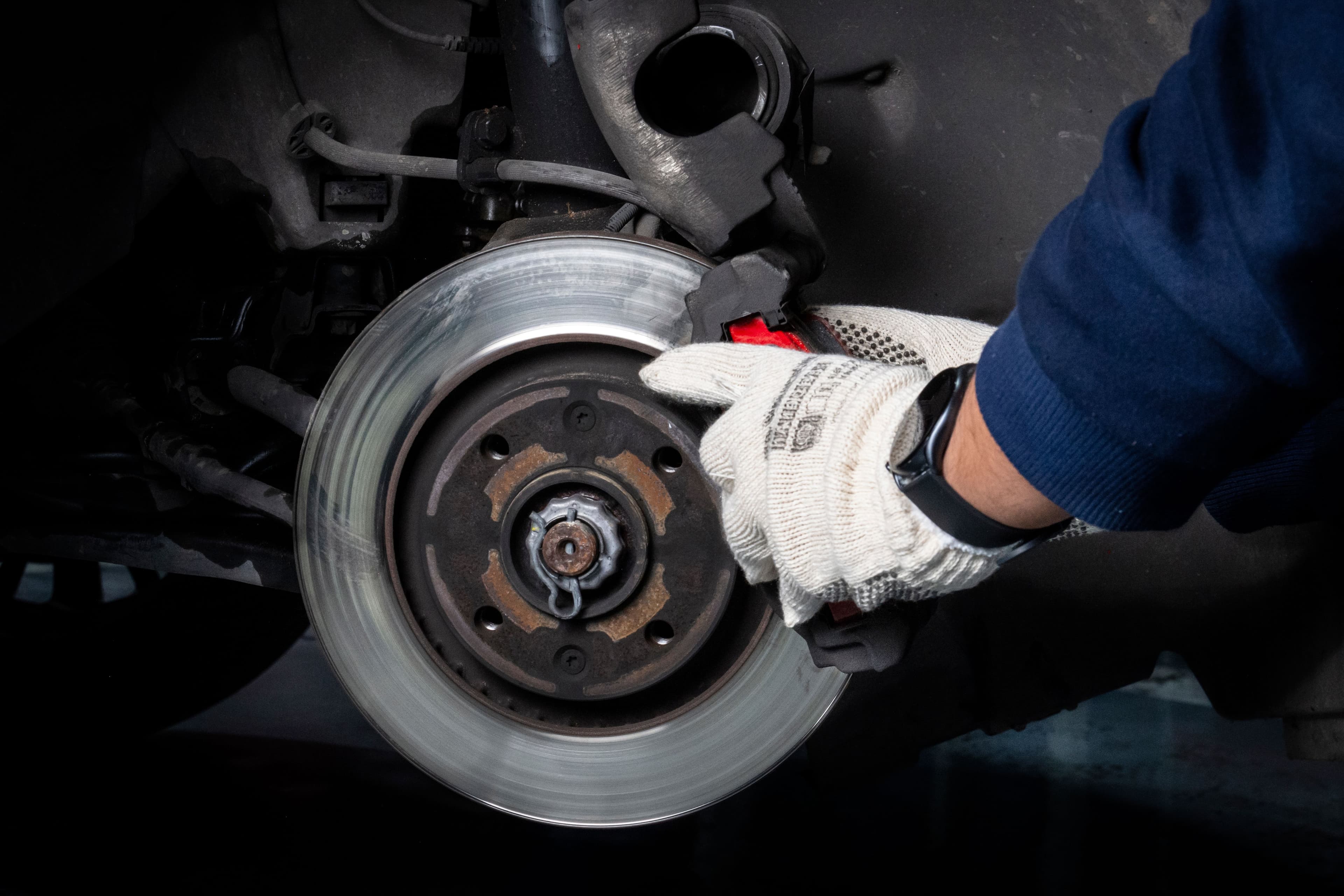
A soft or spongy brake pedal after ABS hydraulic-unit work does not automatically mean the replacement unit is defective. Air may remain in the brake lines, master cylinder or internal passages of the hydraulic control unit (HCU), and some vehicles require a scan tool to cycle the ABS pump and valves during bleeding. Fluid leaks, an incorrect installation, a master-cylinder problem or a wrong replacement unit must also be ruled out.
Because brake performance is safety-critical, do not road-test a vehicle with an abnormally low, soft or sinking pedal. Have a qualified technician inspect and bleed the system using the current service procedure for that exact vehicle.
Why an ABS unit can trap air
The ABS hydraulic control unit contains valves, passages and a pump that route brake pressure during anti-lock or stability-control operation. When the unit or connected brake lines are opened, air can enter areas that ordinary pedal bleeding may not fully purge.
The required procedure varies. Some vehicles use conventional bleeding only. Others require a diagnostic routine that opens valves and runs the pump, followed by another manual or pressure bleed. Sequence, fluid specification, equipment and pedal checks are vehicle-specific.
Kia’s brake bleeding bulletin for 2020-model-year-and-newer Soul vehicles illustrates the distinction. For the listed SK3 Soul application, the procedure combines a first manual bleed, HCU forced operation with the Kia diagnostic system, and a second manual bleed. That bulletin should not be copied to an unrelated vehicle; it demonstrates why a standard four-wheel bleed may not complete every ABS service.
Hyundai’s 2021 Palisade master-cylinder recall procedure likewise specifies HCU Air Bleeding Mode with the Hyundai diagnostic system in addition to caliper bleeding. The model-specific procedure reinforces the same buying lesson: pedal feel after hydraulic work depends on completing the prescribed service process, not merely installing a replacement component.
Air, leak, master cylinder or HCU?
Pedal behavior helps organize the diagnosis, but it is not a substitute for pressure tests and service information.
Trapped air
Air compresses, so the pedal may feel springy or improve after repeated pumping. The symptom often begins immediately after a line, caliper, master cylinder or HCU was opened. A technician should confirm the correct bleed sequence, keep the reservoir from running dry and determine whether the vehicle requires automated ABS bleeding.
External fluid leak
Wet fittings, hoses, calipers, wheel cylinders, the master cylinder or the HCU can lower fluid level and pedal height. A leak must be corrected before further bleeding. Repeatedly adding fluid without finding the source is not a diagnosis.
Master-cylinder bypass
If the pedal slowly sinks under steady pressure with no visible external leak, the master cylinder or another hydraulic component may be bypassing internally. Testing should follow the manufacturer’s procedure before an ABS unit is blamed.
HCU installation or internal concern
Crossed or loose brake lines, damaged flare seats, contaminated fluid, incorrect port plugs, connector damage or an incompatible HCU can create problems after replacement. Internal valve or pump concerns remain possible, but they should be supported by diagnostic trouble codes, scan-tool tests, hydraulic findings or the manufacturer’s diagnostic flow.
Mechanical brake adjustment or excessive clearance
Rear drum adjustment, caliper installation, pad knock-back or other mechanical clearance can increase pedal travel. These causes sit outside the ABS unit and need inspection when the hydraulic bleed is complete but pedal height remains abnormal.
What to ask the repair shop to verify
Before buying another ABS unit, request a written account of the work already performed:
- Why the original HCU or module was replaced
- Whether the hydraulic system was opened and which lines were disconnected
- The brake-fluid specification used
- Whether any external leak is present
- Whether the master cylinder holds pressure
- The exact manual or pressure-bleed sequence completed
- Whether the scan-tool HCU bleed routine is required and was completed
- Current ABS, brake and stability-control codes
- Whether the pump and solenoid commands operate as expected
- Whether coding, programming, calibration or steering-angle procedures remain
- Whether the installed part number matches the vehicle
- The final pedal-height or pedal-feel check specified by the manufacturer
A vague note that the system “was bled” is not enough. The useful question is whether the correct procedure for the VIN and braking system was completed successfully.
Module, hydraulic unit or complete assembly?
ABS terminology can cause expensive ordering mistakes.
The electronic control module contains the controller and electrical connections. The hydraulic control unit contains the pump, valves and brake-line ports. Depending on the vehicle, they may be serviced separately or sold as a combined assembly.
Ask the installer to state exactly which component is required. If only an electronic module is being replaced, opening hydraulic lines may not be part of the job. If the HCU is replaced, brake bleeding is normally central to the installation plan. Never assume that a listing called “ABS module” includes the pump, valve block, bracket, pressure sensor or controller shown in a photo.
Use the iBid parts search to identify the relevant ABS-unit category, then compare the proposed assembly with the technician’s written request.
ABS replacement fitment checklist
Before approving a used ABS unit, confirm:
- Full VIN, year, make, model and trim
- Engine and drivetrain, including FWD, RWD, 4WD or AWD
- Original ABS module and HCU part numbers with every suffix
- Whether the request is for the controller, hydraulic unit, pump or complete assembly
- Connector count, keying and pin layout
- Brake-line port count and orientation
- Stability-control, traction-control and driver-assistance equipment
- Any integrated pressure sensor or brake booster functions
- Required coding, programming, initialization and calibrations
- Required scan-tool bleeding capability
- Included brackets, isolators and wiring pigtails
- Documented interchange or supersession
- Installer approval before shipment
The iBid VIN decoder can help organize vehicle details, but the original unit’s label and the installer’s catalog should decide the match. Similar housings do not establish electronic or hydraulic compatibility.
When requesting an iBid ABS-unit quote, attach clear photos of the original labels, connectors and brake-line ports. Include the diagnostic codes, the exact component requested and the shop’s programming and bleeding requirements.
Questions buyers often ask
Can ordinary brake bleeding remove air from an ABS unit?
Sometimes, but not always. If air is trapped behind closed HCU valves, the manufacturer may require a scan-tool routine to operate the pump and valves during bleeding.
Does a soft pedal prove the replacement HCU is bad?
No. Trapped air, a leak, master-cylinder bypass, mechanical clearance or an incomplete bleed procedure can produce similar symptoms.
Can I install a used ABS unit with the same connector?
Connector appearance is not enough. Part number, suffix, hydraulic-port layout, drivetrain, option content, software and programming requirements must match.
Is coding the same as bleeding?
No. Coding or programming configures the electronic controller. Bleeding removes air from the hydraulic system. A replacement may require either or both.
Should the car be driven to activate ABS and release trapped air?
Do not use a road test as a substitute for the service bleed procedure. A vehicle with an unsafe pedal should not be driven, and controlled HCU activation may require factory-level diagnostic equipment.
Diagnose the installation before replacing the replacement
A soft pedal after ABS work is a process symptom until the hydraulic system, master cylinder, installation and required scan-tool routine have been checked. Once a shop verifies that the correct unit is installed, the prescribed bleed and calibrations are complete, and the HCU still fails a documented test, the buyer has a sound basis for sourcing another assembly.