Car Maintenance & Repair · Oct 22, 2026
P0741 Code: Solenoid, Torque Converter or Complete Transmission?
P0741 does not automatically mean a failed torque converter. Learn how solenoid, valve-body, converter and internal faults are separated.
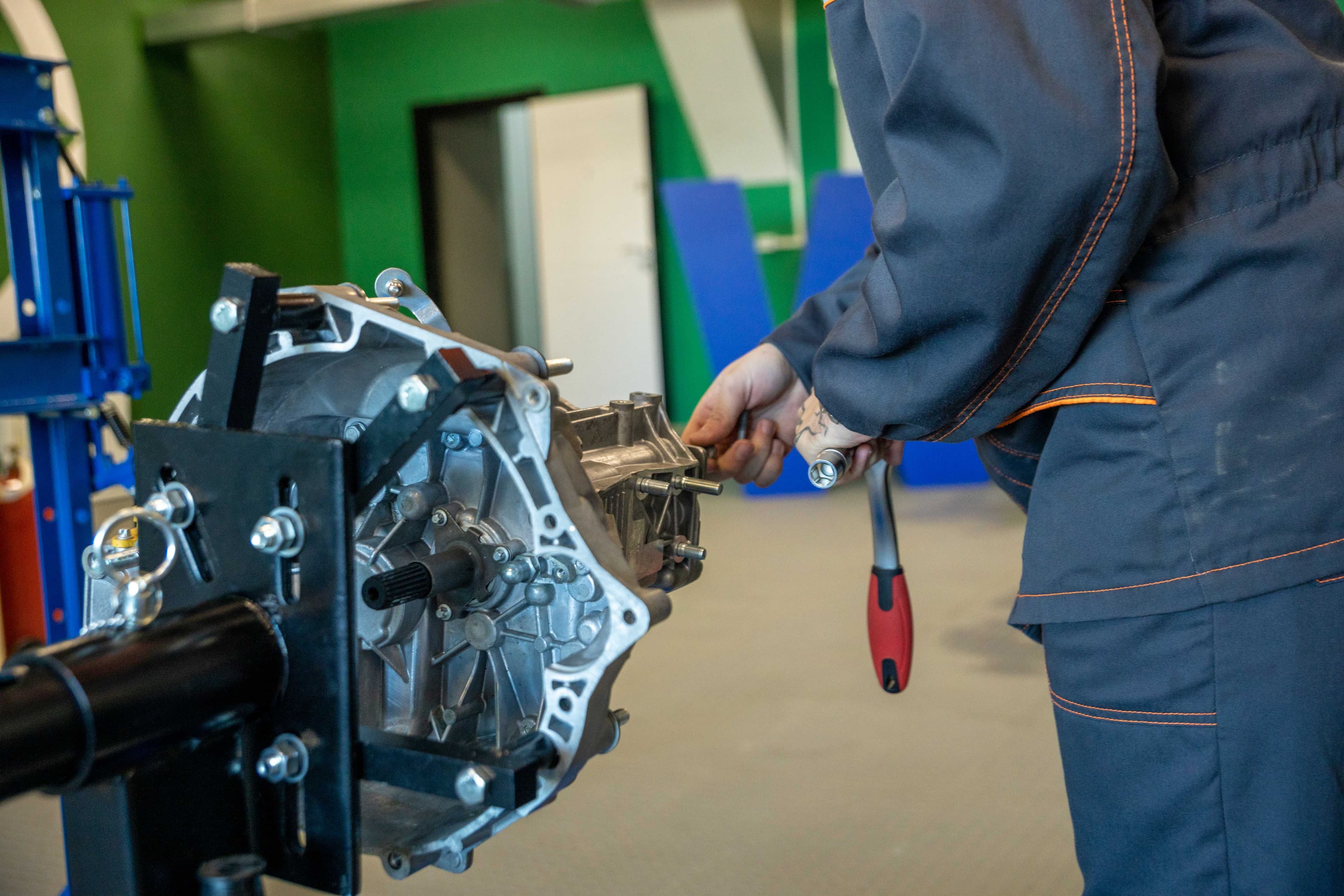
A P0741 code means the powertrain controller detected that torque-converter-clutch operation did not match the expected result—commonly described as “performance” or “stuck off.” It does not identify one failed part by itself. Depending on the vehicle, the cause can be fluid or temperature conditions, wiring, a clutch-control solenoid, valve-body or hydraulic leakage, the torque converter, or internal transmission wear. Diagnose the application before ordering a converter or complete transmission.
What the torque-converter clutch does
An automatic transmission’s torque converter transfers engine power through fluid. At suitable speeds and loads, the torque-converter clutch can create a more direct connection to reduce slip. The transmission controller commands clutch operation and evaluates the result using engine speed, turbine or input speed, output speed, temperature, throttle or load data and other inputs.
P0741 is set when the measured response is outside the controller’s expected range for the relevant operating conditions. The exact enabling criteria, acceptable slip and test procedure vary by transmission calibration. A generic code definition cannot supply the correct pass/fail specification.
Some drivers notice higher cruising rpm, extra heat, reduced fuel economy, a warning light or a change in shift feel. Others notice no symptom beyond the stored code. A shudder may occur on some faults, but shudder is not required for P0741 and can have unrelated causes.
Preserve the diagnostic evidence first
Do not clear the code or disconnect the battery before recording the information that accompanied it. Request a complete scan of powertrain and transmission modules, including current, pending and history codes.
Save:
- Freeze-frame or failure-record data
- Transmission-fluid temperature
- Commanded torque-converter-clutch state
- Commanded and calculated clutch slip, if available
- Engine, input or turbine, and output speeds
- Selected and actual gear
- System voltage and load
- Any pressure-control, speed-sensor, solenoid or ratio codes
- The speed, temperature and driving condition when the fault returns
Other codes can change the diagnostic path. For example, an electrical circuit code, missing speed signal or pressure-control fault should not be treated as the same problem as a P0741 that appears alone.
A technician should confirm the complaint under the manufacturer’s test conditions. Watching live slip data while the controller commands clutch apply is more informative than replacing a part from the code name.
Check fluid level, condition and temperature correctly
Fluid condition affects hydraulic pressure and clutch operation, but there is no universal dipstick procedure. Some transmissions require a particular fluid temperature, engine state, gear-selection sequence, vehicle position and fill-plug method. Use the procedure and fluid specification for the identified transmission.
The inspection should answer:
- Is the level correct by the factory procedure?
- Is there an active external leak?
- Is the specified fluid installed?
- Is the fluid aerated, burnt or contaminated?
- Is there friction material or metal in the pan?
- Does the temperature data make sense?
- Has the cooler flow or cooling system been evaluated when required?
A low level may cause aeration or pressure loss. Significant debris can point toward internal damage. Clean-looking fluid does not prove the converter, valve body or seals are healthy, and dark fluid alone does not prove the entire transmission must be replaced.
Avoid adding an unspecified additive as a diagnostic substitute. It can alter friction behavior without identifying the failed circuit or component.
Electrical circuit and solenoid checks
The controller may command a torque-converter-clutch or pressure-control solenoid to regulate apply pressure. Depending on the design, the solenoid may be individually serviceable, part of a valve body, or integrated into a larger control assembly.
Follow the wiring diagram and test sequence for the actual vehicle. Checks may include:
- Connector condition and terminal tension
- Fluid intrusion, corrosion or harness damage
- Power, ground and circuit integrity
- Solenoid resistance or current performance where specified
- Controller command and feedback data
- Relevant software updates or learn procedures
Do not assume P0741 is an electrical fault merely because a solenoid is involved. A mechanically functioning solenoid cannot compensate for a worn valve bore, internal seal leak, damaged converter clutch or other hydraulic loss.
Valve body and hydraulic leakage
The torque-converter clutch relies on a controlled hydraulic circuit. Wear, a sticking valve, a damaged separator plate, a leaking seal or another pressure loss can prevent the expected clutch apply even when the electrical command is present.
Pressure testing or manufacturer-directed scan-tool routines can help separate a control problem from a hydraulic or mechanical one. Some repairs may involve a solenoid or valve-body assembly rather than the complete transmission, but only when the test results and inspection support that scope.
This is why model-specific information matters. A Hyundai service bulletin for certain listed transaxles associates P0741 without other specified faults with a targeted torque-converter-clutch-solenoid repair. A Genesis bulletin for specified 2017–2018 G80 and G90 applications also directs code-based solenoid and control-module service. Those procedures are not universal instructions for unrelated transmissions.
Torque converter or internal transmission damage
P0741 can also result from a worn converter clutch, damaged apply components, excessive internal leakage or wear elsewhere in the unit. General Motors bulletin 20-NA-078 provides a narrow example for specified 2019–2020 Chevrolet and GMC applications equipped with particular transmissions: it attributes the condition to wear at the turbine-shaft bushing that creates a pressure leak path for converter-clutch apply. That finding cannot be generalized to other model years or units, but it demonstrates that the converter code may originate deeper than the solenoid.
A complete-transmission decision becomes more reasonable when inspection confirms:
- Extensive friction or metal debris
- Multiple clutch or ratio faults
- Pump, shaft, bushing or case damage
- Hydraulic loss that requires major disassembly
- Failed hard parts or damaged bearing surfaces
- Repair scope and parts availability that make assembly replacement appropriate
A converter-only replacement may be incomplete if contamination, pump damage or a hydraulic leak elsewhere caused or accompanied the failure. The shop should explain how it ruled out those conditions.
Solenoid, converter or complete transmission?
Use evidence to choose the smallest complete repair:
- Correct verified fluid-level, fluid-specification, temperature or external-leak problems.
- Repair a proven connector, harness, power, ground or control issue.
- Replace or service a confirmed solenoid or valve-body fault when the remaining unit is serviceable.
- Replace the torque converter when testing supports converter failure and the transmission and cooling circuit are otherwise suitable.
- Consider a complete transmission when internal damage or contamination extends beyond a localized repair.
Ask for the code report, live-data result, pan inspection and applicable service procedure in writing. “P0741 means converter” is not a sufficient diagnosis by itself.
Replacement-transmission fitment checklist
If the evidence supports assembly replacement, start with the full vehicle identification number. The VIN decoder can organize core vehicle details, but the transmission tag, original part number and documented interchange remain essential.
Before buying, verify:
- Full 17-character VIN and production date
- Year, make, model, trim and engine
- Front-, rear-, all- or four-wheel-drive configuration
- Transmission model, code and identification label
- Gear count and case or connector differences
- Torque-converter specification and whether it is included
- Cooler, lines and heat exchanger inspection or replacement requirements
- Required fluid specification and initial fill procedure
- Programming, configuration, adaptation or relearn requirements
- External sensors, mounts and brackets that must transfer
- New seals, gaskets, fasteners and related installation parts
Ask how the cooling circuit will be handled. Debris left in a contaminated cooler or line can damage a replacement unit. When requesting a match, submit the VIN, transmission code, diagnosis and tag photos through the transmission quote form.
Frequently asked questions
Can I keep driving with P0741?
Continued driving may increase heat or worsen an underlying fault. If the transmission slips, overheats, shifts abnormally or shows a stop-driving warning, stop and arrange transport. Otherwise, obtain a prompt vehicle-specific diagnosis rather than assuming it is harmless.
Will changing the fluid fix P0741?
A correct fluid level and specified fluid are necessary, but a fluid change cannot repair a failed circuit, worn valve body, leaking seal, damaged converter clutch or internal wear. Inspect and test before choosing service.
Does P0741 always require a torque converter?
No. The code can involve electrical control, a solenoid, valve-body or hydraulic leakage, the converter, or internal transmission components. The correct repair depends on the transmission and test results.
Should the converter be replaced with a used transmission?
Do not assume either answer. Confirm what the supplied assembly includes, the seller’s interchange, the installer’s contamination findings and the manufacturer’s service requirements. The converter must be correct for the exact application.
Bottom line
P0741 describes failed torque-converter-clutch performance, not a guaranteed failed converter. Preserve the scan data, check fluid and electrical basics, compare commanded clutch operation with measured slip, and follow the manufacturer’s hydraulic and mechanical tests. Order a solenoid, valve body, converter or complete transmission only after the evidence identifies the appropriate repair scope.