Car Maintenance & Repair · Oct 25, 2026
Driveshaft Vibration at Highway Speed: U-Joint, Center Bearing or Complete Driveshaft?
Vibrating between 55 and 75 mph? Learn how to tell a worn U-joint or center bearing from a bent driveshaft before you buy a replacement.
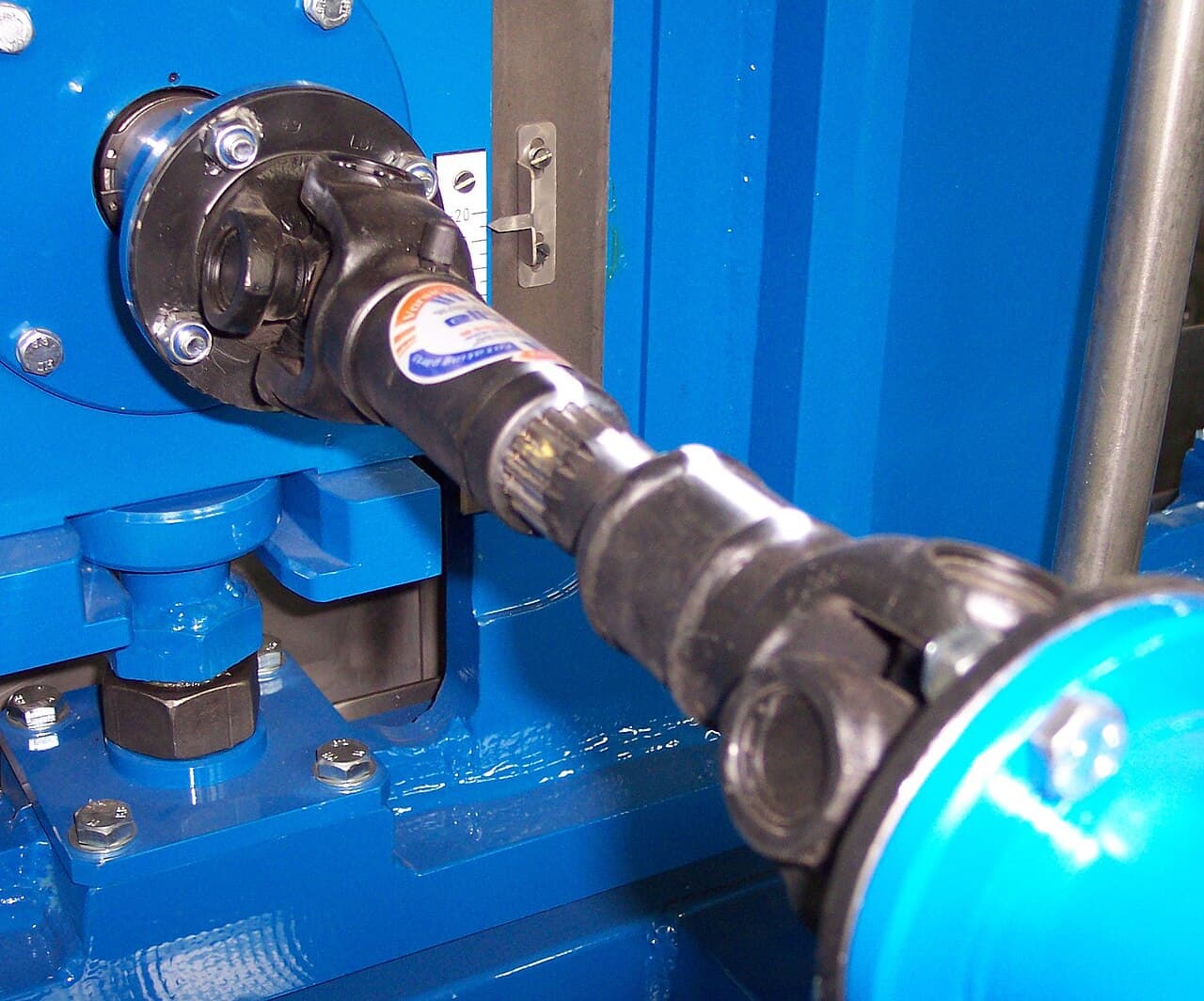
A vibration that shows up around 55 to 75 mph and fades as you slow down is one of the most common driveline complaints on rear-wheel-drive, 4WD and AWD vehicles. The cause is often a small, cheap part, but sometimes the driveshaft itself is the problem. This guide helps you sort out which one you are dealing with before you spend money on the wrong part.
Rule Out Tires and Wheels First
Unbalanced tires, a bent wheel or a separated belt cause many highway vibrations, and they are far cheaper to fix than a driveline repair. A quick way to separate them:
- Tire or wheel vibration is usually felt in the steering wheel (front tires) or the seat (rear tires) and does not change when you shift to neutral.
- Driveshaft vibration is usually felt through the floor and seat, tracks vehicle speed, and often gets worse under acceleration or load.
- Engine or transmission vibration follows engine RPM, not road speed, so it changes when you shift gears.
If the vibration persists with the transmission in neutral at the same road speed, the engine is not the source. Have the tires balanced and road-force tested before you condemn the driveshaft.
Common Driveshaft Causes
Once the wheels are cleared, these are the usual suspects:
- Worn U-joints: A dry or seized joint lets the shaft run off-center. You may also hear a clunk when shifting from park to drive or reverse, or a chirp at low speed.
- Failed center support bearing: Two-piece shafts rely on a rubber-mounted bearing. When the rubber cracks or the bearing wears, the shaft sags and vibrates, often with a rumble.
- Bent or dented shaft tube: Road debris, off-road use or a past impact can bend the tube slightly. Even a small bend causes an out-of-balance shaft.
- Lost balance weights: Driveshafts are balanced at the factory. If a weight falls off, the shaft vibrates at speed.
- Worn slip yoke splines: Play where the shaft slides into the transmission or transfer case can cause vibration and clunking.
- Incorrect driveline angles: This is common after a lift, a lowering kit or a suspension change.
A Safe Inspection You Can Do
Support the vehicle on proper jack stands on level ground, never on a jack alone, and keep the transmission in neutral with the parking brake off only if the wheels are chocked and the vehicle is secure.
- Grab the shaft near each U-joint and try to twist and push it. Any play is a sign of wear.
- Look for rust-colored dust or dried grease around the joint caps, which points to a failing joint.
- Check the center bearing rubber for cracks, and see whether the bearing spins roughly.
- Inspect the tube for dents, flat spots or missing balance weights.
- Check the flange bolts and yoke for looseness.
Repair the Joints or Replace the Shaft?
If the shaft tube is straight and the yokes are in good shape, replacing U-joints or a center bearing is often enough. Replace the whole driveshaft when:
- the tube is bent, dented or kinked
- balance weights are missing and the shaft cannot be reliably rebalanced
- the yoke ears or splines are worn or damaged
- the shaft has been repaired repeatedly and the vibration keeps returning
A failed driveshaft can drop and damage the transmission, fuel lines or underbody, so do not keep driving on a shaft that is clearly damaged.
Buying a Used Driveshaft the Right Way
Driveshafts look similar but are not interchangeable. Length, number of pieces, yoke style and mounting all matter. Before you buy:
- Match the year, make, model, trim and engine, then confirm drivetrain (2WD, 4WD or AWD), wheelbase and transmission.
- Use the VIN decoder to confirm the build details of your vehicle.
- Check recall notices that affect your model. For example, our BMW X5/X6 front driveshaft recall guide shows why the VIN matters.
- Ask whether the shaft is straight, whether the joints and center bearing are included, and what the return terms are.
If your symptom feels more like a clunk on throttle changes, read our guide on differential clunk diagnosis. If you also see uneven tire wear, see bent axle housing diagnosis.
Ready to Find the Part?
Once you know the shaft needs replacing, you can search used auto parts or request a parts quote with your vehicle details and our team will help you match the right driveshaft.