Car Maintenance & Repair · Oct 14, 2026
Is That Whine the Differential? What to Diagnose Before Buying
Whine or humming does not automatically mean the differential has failed. Learn what to diagnose before buying a carrier or complete assembly.
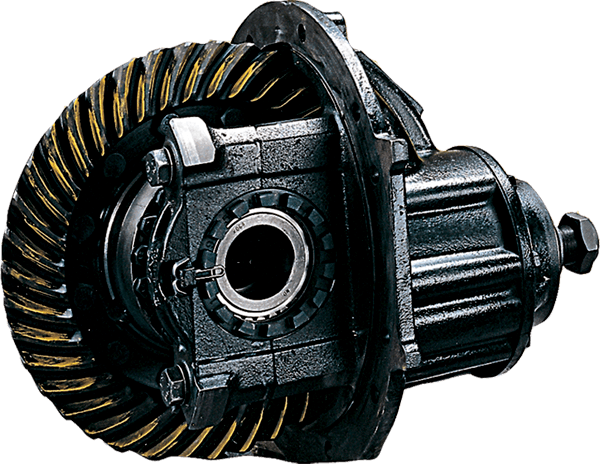
A whining, humming, growling, or clunking noise near an axle does not automatically mean the differential assembly needs replacement. Before buying a used differential, document when the sound occurs and inspect the lubricant, wheel bearings, tires, axle shafts, driveshaft, mounts, transfer case, and pinion area.
Describe the noise before naming the part
The most useful first step is a repeatable symptom description. Record:
- The speed at which the noise begins
- Whether frequency changes with vehicle speed or engine speed
- Whether it appears under acceleration, steady throttle, coast, or deceleration
- Whether it changes while turning left or right
- Whether it occurs in two-wheel drive, four-wheel drive, or all-wheel-drive operation
- Whether it changes with load, towing, or suspension height
- Whether there is vibration, clunking, binding, or fluid leakage
- Whether the vehicle recently had tire, axle, driveshaft, bearing, or suspension work
A road-speed-related sound narrows the search to rotating driveline and wheel components, but it does not identify the differential by itself.
Inspect tires and wheel bearings first
Aggressive or uneven tire wear can create a hum or howl that resembles gear noise. Compare the tread across all tires for cupping, feathering, scalloping, mismatched patterns, damage, or incorrect pressure. If the noise changed after tire rotation or replacement, keep that information with the diagnosis.
Wheel-bearing noise can also travel through the body and seem to come from the center or opposite side of the vehicle. A change while cornering may help a technician, but it is not a complete test on its own. Bearing play, roughness, hub condition, and manufacturer diagnostic procedures should be checked.
Do not order a differential solely because the sound appears to come from the axle area.
Check lubricant level, condition, and leaks
Dana/Spicer drive-axle inspection guidance begins with looking for leaks and checking that lubricant is at the specified level. Low lubricant can damage gears and bearings; contaminated or incorrect fluid can also affect operation.
A technician should inspect:
- Housing, cover, pinion seal, axle seals, and vent
- Lubricant level and specified fluid type
- Water, metal, clutch material, or other contamination
- Signs of overheating or discoloration
- Drain-plug magnet and captured material, where equipped
- Evidence of a prior repair or incorrect sealant
Do not top off or change the fluid before the shop records useful evidence unless continued operation would risk damage. The vehicle manufacturer’s procedure should determine the fluid, additives, fill level, and inspection method.
Understand what load-related noise can suggest
A gearset carries load differently during acceleration and coast. A noise that changes between drive and deceleration can help a driveline technician separate ring-and-pinion contact concerns from other sources. Pinion bearings, carrier bearings, backlash, gear contact, and housing alignment can all influence noise.
These patterns are clues, not a reliable do-it-yourself diagnosis. Tire noise, wheel bearings, transfer cases, transmissions, driveshaft joints, and axle bearings can overlap. Confirm the source with inspection and measurement before ordering an assembly.
Rule out the rest of the driveline
The differential sits within a connected system. Ask the technician to inspect relevant components such as:
- Driveshaft universal or CV joints
- Center-support bearing on multi-piece shafts
- Slip yoke, flanges, and mounting bolts
- Transmission or transfer-case output
- Engine, transmission, transfer-case, and differential mounts
- Axle shafts, CV half shafts, and axle bearings
- Pinion flange play and seal area
- Transfer-case operation on 4WD and AWD vehicles
- Brake components that drag or contact
- Loose shields, brackets, or exhaust parts
A clunk during takeoff may reflect accumulated clearance in more than one joint. Replacing the differential will not repair a worn driveshaft joint or failed mount.
Decide between a bearing repair, carrier, or complete assembly
The correct service scope depends on the axle design and the damage found.
A differential rebuild may address bearings, seals, ring-and-pinion gears, clutch packs, or other serviceable internal parts, but correct setup requires specialized measurements and tools. Bearing preload, gear backlash, and tooth contact must follow the axle manufacturer’s specifications.
A carrier assembly contains the differential mechanism and may be the service choice when the housing and axle components remain suitable. A complete differential or axle assembly may make more sense when the housing, gearset, bearings, mounts, or associated components have broader damage.
Ask the repair shop to define exactly what should be replaced before requesting prices.
Match the replacement only after diagnosis
When replacement is confirmed, start with the full VIN and use the VIN decoder to organize vehicle details. Then identify whether the required part is front or rear and record:
- Axle or differential model and identification tag
- Gear ratio
- Open, limited-slip, locking, or electronically controlled design
- Two-wheel-drive, four-wheel-drive, or all-wheel-drive configuration
- Housing and mounting style
- Axle spline and flange details where relevant
- ABS tone ring, speed sensor, wiring, and connector arrangement
- Electronic locker or clutch-control hardware
- Included carrier, cover, mounts, actuator, sensors, and fluid
On AWD and 4WD vehicles, compatible final-drive ratios are essential. Do not substitute a different ratio based on housing appearance.
Differential-noise buying checklist
Before approving an order, verify:
- The noise is documented by speed, load, gear, turn, and drive mode.
- Tires and wheel bearings were inspected.
- Lubricant level, condition, specification, leaks, and vent were checked.
- Driveshaft joints, axle shafts, mounts, brakes, and transfer case were considered.
- The shop identified the differential as the source.
- Repair scope is defined: bearing service, carrier, differential, or complete axle.
- VIN, axle ID, ratio, differential type, and position are recorded.
- Sensors, tone rings, actuators, connectors, flanges, and mounts are matched.
- Included components and the actual unit’s condition are documented.
- Installation, fluid, return, and warranty requirements are understood.
Send the diagnostic findings, VIN, axle tag photos, and ratio information with the parts quote request. That reduces the risk of buying a correct-looking but incompatible unit.
Frequently asked questions
Does a whine during acceleration prove the ring and pinion are bad?
No. Load-related noise can help diagnosis, but bearings, tires, driveshaft parts, transfer cases, and other components can create similar symptoms. Inspection and measurement are required.
Can low differential fluid cause noise?
Low lubricant can contribute to gear and bearing damage, but restoring the level may not reverse existing wear. The leak source and internal condition should be inspected.
Is a carrier the same as a complete differential assembly?
Not always. A carrier is the internal differential mechanism in many axle designs, while a complete assembly may include the housing, gearset, mounts, sensors, or other components. Confirm the seller’s exact scope.
Can a differential with a different ratio be installed?
A different ratio changes driveline operation and may be incompatible. Front and rear ratios on AWD and 4WD vehicles must be compatible. Match verified specifications unless a qualified specialist is planning a complete ratio change.